Related Articles

Uganda’s political atmosphere has once again grown tense following a strong statement attributed to Chief of Defence Forces, Gen Muhoozi Kainerugaba, concerning opposition leader Robert Kyagulanyi Ssentamu, widely known as Bobi Wine. The remarks have quickly spread across social and political circles, drawing attention from both supporters and critics.
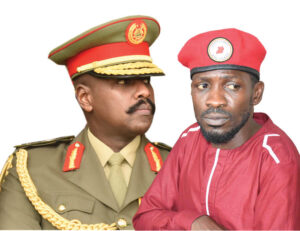
In the statement, Gen Muhoozi is quoted as saying that whether Bobi Wine is in the country or not, he would be banned from participating in any future elections in Uganda. The words, said to be spoken in the interest of national security and for the good of the country, have triggered heavy discussion among citizens.
Bobi Wine, the leader of the National Unity Platform (NUP), remains one of Uganda’s most popular opposition figures, especially among the youth. Over the years, he has built his political image around change, democracy, and challenging the long-standing leadership of President Yoweri Museveni.
The reported statement has raised serious legal and constitutional questions. Many Ugandans are now asking whether a military officer, even one holding the top army position, has the authority to ban a citizen from contesting in elections.
Uganda’s Constitution clearly outlines who is responsible for managing elections. The Electoral Commission is the legally recognized body in charge of organizing and supervising the electoral process. This has led some observers to argue that any such ban would need to follow legal procedures.
Supporters of Bobi Wine see the statement as a sign of fear from those in power. They argue that blocking political competition weakens democracy and denies citizens the right to choose leaders of their choice.
On the other hand, some government supporters believe security concerns must always come first. They say the country must be protected from instability, and leaders in charge of security may sometimes need to make tough decisions.

This development comes at a time when Uganda is slowly moving toward another election cycle. Political temperatures are already rising, with different leaders preparing their strategies and building support across the country.
Bobi Wine himself has faced several arrests, restrictions, and political challenges in the past. His political journey has often been marked by confrontations with security agencies during campaigns and public gatherings.
Analysts say statements like this can increase political tension if not properly addressed. They warn that strong words from powerful offices can shape public mood and influence how people view the fairness of the political environment.
The international community also keeps a close eye on Uganda’s elections. In the past, foreign observers have raised concerns about human rights, political freedoms, and the treatment of opposition leaders.
For many ordinary Ugandans, the key concern is peace and stability. People want an election period that is calm, free, and allows every qualified candidate to take part without fear.
Legal experts say that if any leader is to be stopped from contesting, it must be done through the courts and based on the law. They stress that political disagreements should not replace legal processes.

The debate has also shifted to social media, where Ugandans are openly sharing their views. Some are angry, others are worried, and many are simply confused about what this means for the country’s democracy.
Political leaders from different sides are expected to comment further in the coming days. Their responses could either calm the situation or increase the already growing political heat.
Observers note that Uganda has a history of heated political moments before elections. Such periods often test the strength of institutions and the commitment of leaders to democratic principles.
At the heart of the matter is the balance between security and political freedom. While national security is important, many believe it should not be used in a way that limits lawful political participation.
For Bobi Wine’s supporters, this moment may strengthen their resolve. They often see challenges against him as proof that he is a strong contender who worries the ruling establishment.
As the country waits for official clarification, one thing is clear: the statement has already had a big impact. It has reopened discussions about power, law, and the future of politics in Uganda.
In the end, how this issue is handled will shape public trust in the electoral process. Ugandans will be watching closely to see whether the path forward follows the rule of law and respects the voice of the people.