Related Articles

Uganda Police has strongly denied reports claiming that Dr Hamuza Lubuulwa, the personal doctor to National Unity Platform (NUP) leader Bobi Wine, was shot dead during events surrounding the opposition campaign trail. The denial follows widespread social media reports that alleged police had killed the doctor during a tense incident in Sironko District.
According to the police statement, the incident happened on 04 January 2026 in Buchibindi village, Budadiri Town Council. Police say the situation has been misunderstood and misreported, leading to public anger, fear, and confusion across the country, especially among opposition supporters.
Police explained that the incident involved a motor vehicle with registration number UBM 430K, a Toyota Wish. The vehicle was reportedly driven by Dr Hamuza Lubuulwa, also referred to by police as Hamza Lubuulwa, during the movement of the NUP presidential candidate’s convoy in the area.
Security officers say that as the convoy moved through Sironko, the Toyota Wish allegedly drove recklessly and forcefully overtook the official convoy. Police claim that the manner in which the vehicle cut through the convoy created panic and posed a serious risk to the candidate and security personnel.
According to police, the driver was flagged down several times by members of the security detail. However, they allege that Dr Lubuulwa refused to stop despite clear instructions, raising suspicion among the officers tasked with protecting the convoy.
Police further stated that during the incident, the Toyota Wish nearly knocked a security vehicle. This, they say, turned the situation from a routine traffic issue into a serious security concern that required immediate action.
As a result, the security team reportedly pursued the vehicle in an attempt to intercept it and prevent what they believed could have been a dangerous breach. Police insist that the pursuit was meant to stop the driver and restore order, not to cause harm.
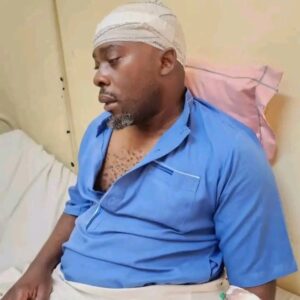
The interception, according to police, led to a violent confrontation. Officers describe the encounter as a bloody scuffle that broke out when the vehicle was finally stopped. They insist that no firearms were used to kill Dr Lubuulwa, contrary to claims circulating online.

Police have emphasized that Dr Hamuza Lubuulwa was not shot dead at the scene. They say reports of his death were false and misleading, adding that such claims escalated tension and anger among members of the public.
The force also noted that misinformation spreads quickly during politically charged moments, especially during campaign periods. Police warned that unverified reports can easily inflame emotions and lead to unnecessary unrest.
Supporters of the National Unity Platform were among the first to raise alarm, with many posting emotional messages online accusing security forces of using excessive force. The claims quickly gained traction, prompting calls for accountability and justice.
However, police maintain that the facts tell a different story. They say the incident should be viewed as a security response to a perceived threat, not a targeted attack on the opposition or its associates.
The situation has once again highlighted the tense relationship between opposition groups and state security agencies in Uganda. Similar incidents in the past have often led to conflicting narratives from police and opposition leaders.
Political analysts say such events show how fragile public trust becomes during election periods. Any incident involving opposition figures is quickly politicized, making it difficult for citizens to separate facts from emotion-driven claims.

Residents of Sironko District described the scene as chaotic, with people running in fear as security vehicles moved at high speed. Many locals say they only later learned that the incident involved a person linked to the opposition campaign.
Human rights activists have called for an independent and transparent investigation into the matter. They argue that even if police deny the shooting, clarity is needed to establish exactly what happened and who bears responsibility for any injuries.
Police, on their part, say they are ready to cooperate with any lawful inquiry. They insist that their officers acted within their mandate and followed procedures aimed at protecting lives.
Meanwhile, the condition and whereabouts of Dr Hamuza Lubuulwa have remained a subject of public interest. Conflicting reports have continued to circulate, further fueling speculation and debate on social media.
Observers say the incident serves as a reminder of the dangers surrounding political convoys and the need for discipline, communication, and restraint from both security teams and those traveling with political leaders.
As the country moves deeper into the campaign season, many Ugandans are calling for calm, responsible reporting, and respect for the rule of law. They urge all sides to avoid actions and statements that could push the nation toward unnecessary violence or division.