Related Articles

The political temperature in Mawokota South has risen sharply following dramatic actions by the outgoing Member of Parliament, Hon. Yusuf Nsibambi. Residents of his home village woke up to shocking news that electricity lines supplying their area had been disconnected shortly after he lost the recent elections.
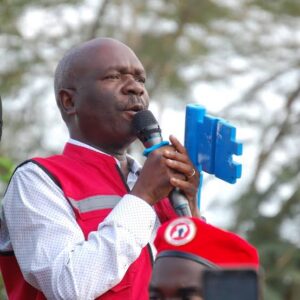
What was once celebrated as a major development project has now turned into a source of anger, debate, and deep disappointment among villagers.
According to information circulating widely, Hon. Nsibambi personally funded the extension of electricity to his village during his time in Parliament. Many residents had praised him for bringing light to homes that had lived in darkness for decades. Small businesses, students, and families benefited from the power supply, which improved security and economic activity in the area.
However, the situation changed after the elections did not go in his favor. The outgoing MP is said to have ordered the disconnection of the electricity, claiming that he used his personal money with the expectation that the community would reward him with votes. After losing the election, he reportedly felt betrayed and decided to withdraw the service he had financed.
This decision has sparked widespread public debate. Many people are questioning whether development projects should be tied to political loyalty. Critics argue that once a leader provides a public service, especially one as important as electricity, it should not be treated as personal property that can be taken away when political tides change.
Residents of the affected village have expressed shock and frustration. Some villagers say they were not aware that the electricity project was conditional on voting for a particular candidate. Others argue that elections are about choice and conscience, and no leader should punish people for exercising their democratic right.
For students, the power cut has come with serious consequences. Learners who depended on electric light to study at night are now struggling. Parents worry that their children’s education will suffer, especially those preparing for national examinations. Local teachers have also raised concerns about the long-term impact on learning.

Business owners are equally affected. Small shops, salons, welding workshops, and phone-charging businesses that relied on electricity are now closed or operating at a loss. Some traders say they invested money in equipment believing that electricity was a permanent service, not a temporary political gift.
Religious and community leaders have weighed in on the matter, calling for calm and dialogue. They have urged the outgoing MP to reconsider his decision and think about the welfare of the people. They also appealed to government authorities to intervene and ensure that essential services are protected from political conflicts.
On social media, the story has attracted strong reactions from across the country. Many users have condemned the move, describing it as unfair and selfish. Others, however, argue that since the MP claims to have used personal resources, he has a right to decide what happens to the project. This division shows how complex and emotional the issue has become.
Legal experts have also raised questions about the matter. Some argue that once electricity infrastructure is connected to the national grid and serves the public, it falls under public regulation. They suggest that personal funding does not automatically give someone the right to disconnect a whole community without following proper procedures.
The incident has reopened a broader national discussion about the relationship between politics and development. Many Ugandans are asking whether leaders should use personal money to fund public projects, or whether such projects should always go through government systems to avoid future conflicts.
Political analysts say this drama could damage the image of politicians who mix personal generosity with political expectations. They warn that voters may become more suspicious of development projects, fearing hidden conditions attached to them.
For Hon. Nsibambi, the controversy has overshadowed his years of service. Instead of being remembered for bringing electricity to his village, he is now at the center of a national debate about leadership, power, and responsibility.
As the village remains in darkness, residents are hoping for a quick solution. Many are appealing to the new MP, government agencies, and electricity authorities to restore power and prevent further suffering. They argue that development should unite people, not divide them after elections.
The situation in Mawokota South serves as a strong lesson for both leaders and voters. It highlights the need for clear boundaries between personal contributions and public services. It also reminds leaders that true leadership continues even after losing an election.
In the end, elections come and go, but the needs of the people remain. Electricity, water, roads, and schools are not rewards or punishments; they are basic necessities. How this issue is resolved will not only affect Mawokota South but will also shape future conversations about politics and development in Uganda.

As the dust settles, many eyes are watching to see whether reason, dialogue, and the rule of law will prevail. For now, the story stands as one of the most dramatic post-election incidents, leaving a powerful message about the cost of mixing power, politics, and personal expectations.
Beyond Mawokota South, this incident has also raised concern among civil society organizations that work on democracy and good governance.
They warn that such actions can discourage free voting in the future, as people may feel pressured to support leaders out of fear of losing services. They emphasize that democracy works best when citizens vote without intimidation, pressure, or punishment.
Some elders in the community have described the situation as painful and embarrassing. They say disagreements after elections should be handled with maturity and wisdom.
According to them, leadership is about service and sacrifice, not revenge. They have appealed to Hon. Nsibambi to reflect on his actions and choose a path that promotes peace and unity in the village.
As discussions continue, many Ugandans are calling for clear national guidelines to stop similar incidents from happening again. They believe government institutions must take full responsibility for public services so that no individual politician can switch them on or off at will.
The Mawokota drama has become a strong reminder that development must be protected from political emotions, for the good of present and future generations.