Related Articles

Uganda’s political environment has once again been shaken by strong and controversial remarks attributed to General Muhoozi Kainerugaba. In a statement that has sparked debate, he spoke about the arrest of a person allegedly linked to the National Unity Platform (NUP), using very harsh language and serious accusations.
According to the remarks, the individual who was captured is being described as a “terrorist” who reportedly made statements encouraging violence against supporters of the ruling National Resistance Movement (NRM). Such claims immediately raised alarm because they touch on national security and political tensions at the same time.
General Muhoozi’s words suggested that the suspect would face serious consequences. His tone came across as firm and uncompromising, showing how seriously the security forces view any message that promotes violence or division among Ugandans.
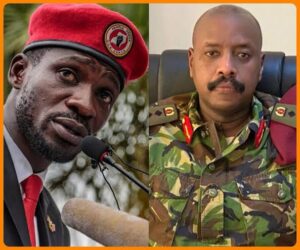
The statement went further to mention Bobi Wine, the leader of NUP, placing him in the political conversation surrounding security and opposition activities. This has added fuel to an already tense relationship between the government and the opposition.
Uganda’s political space has for years been marked by strong rivalry between the ruling party and opposition movements. Accusations, arrests, and public statements often become part of the wider struggle for influence and public support.
When security matters mix with politics, the situation becomes even more sensitive. Claims involving terrorism, threats, or violence are taken seriously because they affect the safety of citizens and the stability of the country.
Supporters of the government often argue that security agencies must act firmly against anyone who promotes violence. From their point of view, strong language reflects the seriousness of protecting the nation from harm.

On the other hand, opposition supporters sometimes fear that such accusations can be used to silence political voices. They call for investigations and legal processes that are transparent and fair.
The mention of killing people based on political support is particularly troubling to many citizens. Uganda, like many countries, has a painful history of conflict, and people generally hope to avoid a return to political violence.
Leaders’ words carry great weight, especially when they come from powerful positions in the military or government. Statements made in anger or strong emotion can easily influence public mood and political temperatures.
Many Ugandans watching these developments are more concerned about everyday challenges like jobs, prices of goods, healthcare, and education.
They worry when political tensions appear to rise, fearing it could affect peace and stability.
Human rights groups often emphasize the importance of due process. Even when suspects are accused of serious crimes, the law requires proper investigation and fair trial procedures.
Political analysts say such moments show how deeply divided the political scene has become. Trust between different sides is low, and public exchanges are often sharp instead of calm and diplomatic.

The reference to Bobi Wine in the remarks places him once again at the center of national political debate. As an opposition leader with strong youth support, he remains a key figure in Uganda’s political story.
Supporters of NUP argue that their movement stands for change through political engagement, while government supporters insist that security must come first if there are threats.
The situation also highlights the challenge of balancing security and freedom. Governments have a duty to protect citizens, but they also must respect political rights and avoid actions that could deepen division.
Social media has played a big role in spreading and discussing such statements. Within minutes, comments and reactions from different sides appear, showing how quickly political news travels today.
For ordinary citizens, the hope is that disagreements between leaders do not lead to violence on the ground. Most people desire peace, unity, and a future where politics does not create fear.
Strong language from leaders can sometimes energize supporters but also increase tension. Careful communication is important to maintain calm and avoid misunderstandings.
In the end, this development reflects Uganda’s active and sometimes heated political environment. As events unfold, many will be watching closely to see how authorities handle the matter and whether dialogue and law will guide the next steps.