Related Articles


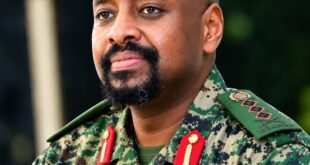
Uganda’s military presence in Somalia may soon come to an end after nearly two decades, according to a recent announcement by General Muhoozi Kainerugaba.
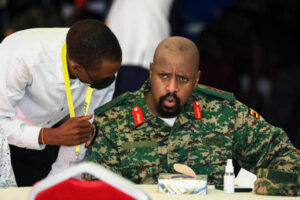
In a statement that has drawn attention both at home and abroad, he said Uganda intends to fully withdraw its forces from Somalia in the near future. This marks a significant shift in Uganda’s long-standing involvement in the region.
For 19 years, Uganda has contributed troops to the African Union Mission in Somalia (AMISOM), a peacekeeping force tasked with stabilizing the war-torn country. Ugandan soldiers have been among the most committed troops on the ground, facing danger and hardship while working to fight insurgent groups such as al-Shabaab. Their role has been seen as crucial in protecting communities and supporting the Somali government.
General Muhoozi’s declaration reflects a new chapter in Uganda’s foreign and security policy. His words suggest that the government believes conditions may now be right for ending active military participation. This decision could have wide-ranging implications for both Somalia’s security and Uganda’s international commitments.
He noted that Uganda’s efforts in Somalia have helped create opportunities for progress in the country. Over the years, Somali forces, with support from AMISOM, have reclaimed territory once held by al-Shabaab and worked toward strengthening government institutions. However, challenges remain, and some analysts say withdrawal must be handled carefully to avoid destabilizing gains.
The announcement has resonated with many Ugandans who have watched their soldiers serve far from home for nearly two decades. Families with relatives in uniform have expressed mixed feelings — pride in their service and concern about safety, but also relief that troops might soon return home.
General Muhoozi emphasized that withdrawal plans are being considered thoughtfully and will not be rushed. He acknowledged the sacrifices made by the Uganda People’s Defence Forces (UPDF) and highlighted that their service has been instrumental in helping Somalia move toward stability. His message conveyed both gratitude and a sense of completion.

This shift also raises questions about the future role Uganda will play on the African continent. For years, the country has been a leader in regional peacekeeping efforts, with its military engaged in missions not only in Somalia but also in other areas requiring support. Ending its long-term deployment in Somalia may signal a change in focus for Uganda’s defense strategy.
Observers point out that Somalia’s security situation has evolved, with Somali National Army forces taking on more responsibilities. This development may have influenced Uganda’s decision, as Somali forces are better positioned now to sustain security efforts with continued support from international partners.
General Muhoozi’s announcement also reflects broader regional cooperation. East African countries and international allies have been working to strengthen both military and political frameworks to support peace in Somalia. Uganda’s withdrawal, when it happens, will likely be coordinated with these partners to ensure a smooth transition.
Despite progress, Somalia continues to face threats from insurgent groups, and the government’s control is still limited in some areas. Many experts believe that international support, whether military or advisory, will remain necessary to ensure lasting peace. Uganda’s future role could shift toward training and advising rather than frontline engagement.
For many Ugandans, the news has sparked conversations about the cost of peacekeeping missions. Lives lost, injuries sustained, and the emotional toll on families have been heavy burdens. General Muhoozi acknowledged these sacrifices and expressed respect for the bravery and commitment shown by Ugandan troops throughout the mission.
The potential withdrawal has also drawn reactions from international partners and analysts observing security dynamics in the Horn of Africa. Some commend Uganda for its long-term commitment, while others emphasize the importance of not creating a security vacuum that could be exploited by violent groups.
In his statement, General Muhoozi reiterated that Uganda’s decision to withdraw does not mean abandoning Somalia. Instead, he framed it as a transition toward new forms of support that align with evolving needs and capabilities on the ground. This suggests Uganda may continue to engage in collaborative efforts that do not involve direct military deployment.
The announcement has been described by some as a sign of confidence in the progress made by Somali forces. It reflects hope that Somalia is on a path where it can take greater responsibility for its own security. However, that confidence is accompanied by caution, as outbreaks of violence still occur in certain regions.

For Civil Society organizations across East Africa and beyond, Uganda’s intended withdrawal raises important discussions about how peacekeeping missions are structured and how nations share responsibility for regional stability. Many see this moment as an opportunity to rethink approaches to conflict resolution and support for fragile states.
Within Uganda’s military circles, the announcement was met with reflection. Senior officers and soldiers alike took pride in their long service but also looked forward to returning to domestic duties. The potential return of troops has been welcomed by communities and leaders in various parts of Uganda.
General Muhoozi also spoke about the need to celebrate the contributions of fallen soldiers. He acknowledged that the price paid for peace includes the ultimate sacrifice made by many brave men and women. Their memory, he said, will remain a source of inspiration for future generations of UPDF personnel.
The timing of the withdrawal remains subject to careful planning, coordination with Somali authorities, and consultation with regional and international partners. This process, General Muhoozi stressed, is being handled with utmost seriousness to prevent any unintended consequences.
Some analysts predict that Uganda’s shift away from direct military involvement could influence other African nations’ approaches to peacekeeping missions. It may encourage more collaborative and burden-sharing strategies across the continent, fostering a new model of regional security cooperation.
General Muhoozi concluded his address by reinforcing the idea that Uganda’s commitment to peace remains unwavering. Even as troops prepare to come home, the country will continue to support efforts that promote stability, development, and prosperity in Somalia and throughout East Africa.
The announcement marks the end of a long chapter in Uganda’s military engagement abroad. While the nation prepares for change, many will watch closely to see how this transition unfolds and what it means for the future of regional peace and security.