Related Articles


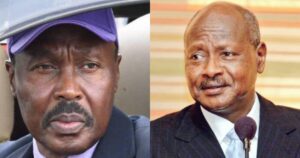
President Yoweri Kaguta Museveni has reignited debate over Uganda’s past electricity crisis after accusing Major General Mugisha Muntu of playing a role in blocking a power generation deal that he says caused widespread blackouts ahead of the 2006 elections.
In a strongly worded reflection shared publicly, Museveni said the country suffered severe load-shedding during the 2006 election period, an issue he described as a major source of public anger and frustration at the time.
According to the President, the electricity shortages were not accidental. He blamed them on decisions made by Parliament during that period, naming Mugisha Muntu as one of the lawmakers who opposed a proposed power deal.
Museveni argued that the lack of electricity deeply affected the economy and daily life. Businesses struggled, households suffered, and political tensions increased as citizens blamed government for the blackouts.
The President said Parliament rejected what he considered a very favorable agreement with an American investor. He believes that if the deal had gone through, Uganda would have avoided the severe power shortages.
He explained that the proposed agreement was with a group linked to the American Prayer Breakfast movement, operating under a company known as American Energy Services.
According to Museveni, the company had offered to build the Bujagali power project and sell electricity at a cost of 4.9 US cents per kilowatt hour, which he described as affordable and beneficial for Uganda.

Museveni said the deal would have greatly increased electricity generation capacity and reduced pressure on the national grid. In his view, blocking it was a costly mistake.
He expressed frustration that some of the same politicians who opposed the deal later criticized government for power shortages. He accused them of misleading the public for political gain.
The President made these remarks while reflecting on how past political decisions shaped Uganda’s political environment. He linked the electricity crisis to broader governance challenges at the time.
Museveni also revisited earlier policy failures, saying that Uganda missed opportunities by not fully implementing mass-oriented programs aimed at fighting poverty and inequality.
He specifically mentioned Entandikwa, Universal Primary Education, and land reforms, arguing that weak implementation of these initiatives later contributed to social problems.
According to Museveni, issues such as poverty, school dropouts, street children, and land conflicts became more visible because these foundational programs were not handled seriously enough.
He noted that the political climate gradually improved by the 2011 elections. This, he said, was largely because peace had returned to northern Uganda after years of conflict.
Museveni said people in the North became more hopeful and positive once stability returned, which helped create greater national cohesion during that election period.
The President also criticized election malpractice, especially following the reintroduction of the secret ballot system in the mid-1990s.
He claimed that ballot cheating re-emerged after the secret ballot was brought back, starting with elections for the Constituent Assembly.

In a surprising revelation, Museveni said some electoral officials once offered to manipulate results in favor of the ruling National Resistance Movement.
He stated that he rejected the offer, insisting that he did not want anyone to cheat on his behalf. Instead, he told them to use their position to stop cheating altogether.
Museveni maintained that electoral malpractice remains a serious threat to democracy. He argued that without durable solutions, political divisions will continue to resurface.
His accusations against Mugisha Muntu have sparked renewed debate, especially among political observers who say the claims reopen old wounds from Uganda’s power crisis era.
Supporters of Muntu argue that parliamentary scrutiny of major contracts is necessary and that opposing a deal does not automatically mean sabotaging national interests.
Others, however, side with Museveni, saying delays in power generation had long-term consequences for economic growth and public trust.
As Ugandans reflect on the past, Museveni’s remarks have once again brought electricity policy, governance, and political accountability into the spotlight, reminding the country how critical decisions made years ago continue to shape the present.