Sad news has shocked Uganda following reports that a young and promising journalist was shot dead during election day. The incident has left the media community, her family, and the nation in deep pain and disbelief. What was meant to be a day of civic duty and democracy reportedly turned into a moment of tragedy.
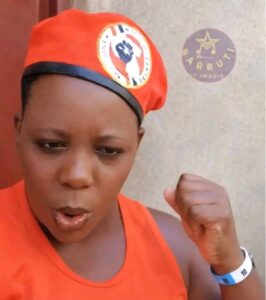
According to emerging reports, the victim has been identified as Mumbejja Ndagire, an employee of Moon TV. She was reportedly shot by UPDF soldiers while carrying out her work on election day. The news spread quickly, triggering sorrow and outrage across social media and news platforms.
Mumbejja Ndagire was described by colleagues as hardworking, brave, and passionate about journalism. She was dedicated to telling the stories of ordinary Ugandans and ensuring that the public stayed informed, especially during critical national events like elections.
On election day, journalists were deployed across different areas to report on voting, security, and public participation. It was during this tense and highly charged atmosphere that the fatal shooting reportedly occurred, cutting short the life of a journalist simply doing her job.
Family members of the late journalist have been left devastated. Tears, confusion, and unanswered questions now fill their home as they struggle to understand how their loved one never returned from work. For them, the pain is not just emotional but deeply personal and permanent.
Colleagues at Moon TV are also mourning heavily. Many described Mumbejja as more than a coworker, calling her a sister and a friend whose smile and commitment lit up the newsroom. Her death has created fear and sadness among journalists who risk their lives daily.
The killing has raised serious concerns about the safety of journalists in Uganda, especially during elections. Media workers are meant to be protected as neutral observers, yet this incident suggests that reporting the news can be dangerously risky.

Human rights activists and press freedom advocates have begun calling for answers. They argue that no journalist should lose their life for simply documenting events and informing the public. They say accountability is necessary to prevent future tragedies.
Election periods are often tense, with heightened security and political pressure. However, many citizens believe that such tension should never result in the loss of innocent lives, especially those serving the public interest.
The reported involvement of security forces has intensified public anger and fear. Ugandans are demanding a clear, transparent investigation to establish what exactly happened and who should be held responsible.
Social media platforms have been flooded with messages of condolence, anger, and calls for justice. Hashtags mourning Mumbejja Ndagire and demanding protection for journalists continue to trend as the nation processes the painful news.
For many young women in media, Mumbejja’s death feels especially personal. She represented hope, courage, and the growing presence of women in journalism, a field that often comes with serious risks.
Religious leaders and civil society groups have also expressed sorrow, calling for calm while urging authorities to respect life and human rights. They emphasize that violence only deepens wounds and divides the nation further.
As her story continues to unfold, many are reflecting on the role of journalists in society. They are the eyes and ears of the people, and harming them is seen as an attack on truth itself.

The family now faces the painful task of preparing for burial instead of celebrating her future achievements. Dreams, plans, and ambitions were all ended in a single, tragic moment.
Questions remain unanswered, and the silence from authorities has only fueled speculation and frustration. Ugandans want reassurance that justice will not be ignored or delayed.
This tragedy has once again highlighted the dangers faced by journalists in conflict-prone or politically tense environments. Many are now asking whether enough is being done to protect media workers.
Mumbejja Ndagire’s death is not just a loss to her family or employer, but to the entire nation. She died while serving the public, a sacrifice that should never be forgotten.
As the country mourns, calls for reforms, accountability, and respect for press freedom grow louder. People want a future where journalists can work without fear.
Rest in peace, Mumbejja Ndagire. Your voice may have been silenced, but your story has awakened a nation, and your legacy will continue to speak through the truth you lived to tell.
