Related Articles
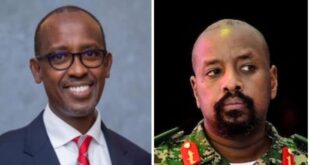
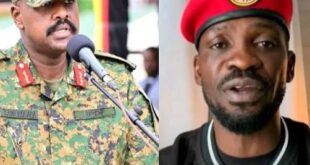
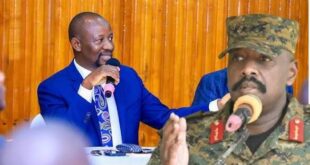
MP Muwanga, a well-known politician in Uganda, has recently found himself at the centre of a political storm. His actions have raised many eyebrows, leaving citizens wondering about his true intentions. According to Speaker Anita Among, Muwanga appears to live a double life, showing one face in public and another in private, a revelation that has shocked many across the country.
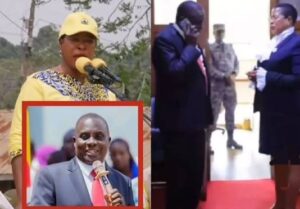
During the day, Muwanga acts as a fierce opponent of the current government. He is vocal at rallies, criticizes policies, and often posts messages on social media that suggest he is committed to the opposition. His speeches are full of passion, and he presents himself as a defender of citizens’ rights, inspiring hope in those who feel overlooked by the government.
Supporters of the opposition have often described him as a brave and honest leader. They believe he represents their voices in parliament, fighting against corruption and advocating for better services for the people. Many citizens have publicly praised him, saying he is one of the few politicians unafraid to challenge the status quo.
However, Speaker Anita Among has revealed a different side of Muwanga’s political life. She claims that, contrary to his public opposition, he secretly meets with government allies and influential figures during the night. These meetings allegedly include high-ranking officials and close associates of the President, suggesting that Muwanga maintains a hidden alliance with those he publicly criticizes.
According to the Speaker, these meetings are strategic and show that Muwanga may be working to protect his political interests rather than truly championing the cause of his constituents. This revelation has shocked many citizens who previously trusted him as a committed opposition figure, leading to questions about his integrity and loyalty.
Some political analysts suggest that Muwanga’s double behavior could be a calculated strategy. By appearing to support the opposition during the day and aligning with government officials at night, he may be trying to gain favor from both sides, ensuring his survival and influence regardless of political shifts.
Others, however, view this as a breach of trust. Voters expect honesty from their leaders, and when a politician publicly condemns the government but secretly collaborates with it, it undermines the democratic process. Critics argue that such actions erode public confidence and create confusion among citizens about who their true representatives are.
Speaker Among raised serious questions about Muwanga’s priorities and commitment to the people. She asked whether his focus is on serving the citizens who elected him or on securing personal political gains through secret dealings. Her remarks have fueled intense debate across the nation.

Reactions from the public have been swift and passionate. Opposition supporters expressed deep disappointment and a sense of betrayal, saying they believed in Muwanga’s words and actions, only to learn about his nighttime meetings. Many have taken to social media to voice their anger and demand explanations.
Meanwhile, supporters of the government are less surprised by this revelation. They argue that such political behavior is common, with leaders often changing their positions depending on the audience they face. Some see Muwanga’s actions as pragmatic rather than deceitful, designed to maintain influence in a competitive political landscape.
Political commentators have used this incident to highlight broader issues in Uganda’s political system. They argue that many leaders operate in secrecy, making alliances that benefit themselves while leaving the public in the dark. This, they say, points to a need for stronger transparency and accountability in leadership.
The controversy has sparked heated discussions on radio and television programs. Citizens call in daily to share their opinions, with debates often turning emotional as people express frustration over perceived dishonesty and political maneuvering.
Some members of the public are now calling for stricter oversight of politicians. They want mechanisms that ensure leaders are accountable and act openly rather than making secret deals that compromise the interests of citizens. These voices are growing louder in communities across the country.
On the other hand, some political observers caution against jumping to conclusions. They emphasize the need for evidence before labeling a leader as disloyal or corrupt. They argue that politics often involves complex negotiations and interactions that may not always be visible to the public eye.

Despite these warnings, Speaker Among’s statements have created lasting doubts in the minds of many Ugandans. Citizens are now questioning the integrity of not only Muwanga but other politicians who may be leading similar double lives.
The revelations have also energized young people in particular, who are increasingly demanding transparency and honesty from political leaders. Many youth activists argue that leaders must be accountable to the people and act in ways that reflect their public promises.
The story of MP Muwanga serves as a cautionary tale for voters. It highlights the importance of scrutinizing political figures and being aware that public appearances can sometimes hide private agendas. Citizens are urged to remain vigilant and demand clarity from those who represent them.
Some analysts believe this incident could reshape political alliances ahead of upcoming elections. If voters lose trust in Muwanga, it could influence opposition strength and even shift the balance of power in certain regions.
At the same time, others say the political impact will depend on Muwanga’s next moves. Will he clarify his position and regain public trust, or will the controversy continue to overshadow his political career? Only time will tell how the situation unfolds.
Ultimately, the case of MP Muwanga highlights a critical question for Uganda’s democracy: Can leaders truly serve the public while playing political games in secrecy? The nation is watching closely, hoping for accountability, honesty, and leadership that reflects the promises made during campaigns.
For now, the debate continues, and citizens remain engaged. The story serves as a reminder that politics is not always what it seems, and the public must demand transparency to ensure leaders work in the best interests of the people they represent.