Related Articles
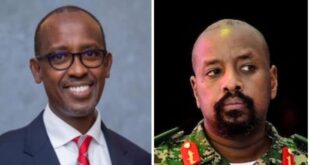
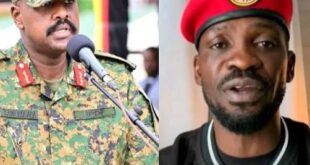
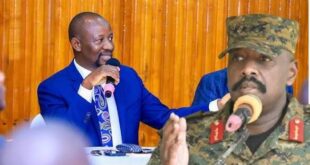
Uganda’s political atmosphere has once again become tense following a strong statement attributed to General Muhoozi, a senior military figure, regarding leaders from the National Unity Platform (NUP).
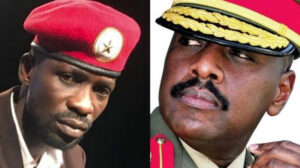
His remarks have quickly drawn attention across the country, sparking debate among citizens, political supporters, and analysts.
In his message, Gen Muhoozi claimed that several NUP leaders described as “terrorist leaders” are currently in hiding. He further warned that security forces would eventually “get them all,” a phrase that many people interpreted as a serious security threat and a sign of upcoming operations.
The statement has created fear and concern among sections of the public. Supporters of the opposition worry about the safety of political actors, while others argue that the government has a duty to ensure national security if there are real threats.
NUP is one of Uganda’s most prominent opposition political parties. It has a large following, especially among young people, and has often clashed with authorities over issues of governance, elections, and human rights.
Over the past few years, the relationship between NUP and security agencies has been difficult. Arrests, detentions, and accusations have been common, with each side blaming the other for increasing tension in the country.
Gen Muhoozi’s warning comes at a time when political temperatures are already high. Uganda has experienced heated political seasons before, and such statements tend to increase anxiety among citizens.

Some government supporters believe the general’s words are meant to send a strong signal that the state will not tolerate any form of violence or illegal activities. They argue that security forces must act firmly when they suspect threats to national stability.
However, critics say that labeling political opponents as terrorists without clear public evidence can be dangerous. They believe such language may create more division and fear rather than peace and unity.
Human rights activists have also expressed concern. They often remind authorities that every suspect deserves fair treatment under the law and that political differences should not be handled through intimidation.
The situation has also drawn attention on social media. Many Ugandans are sharing opinions, with some praising the strong stance and others calling for dialogue instead of threats.
Political analysts say that strong words from powerful leaders can have serious effects. They can influence public mood, security operations, and even international views about the country.
Uganda has worked hard over the years to maintain stability, especially after periods of unrest in its history. Because of this, any talk of terrorism or security crackdowns is taken very seriously by both citizens and leaders.
At the same time, democracy requires space for opposition voices. When political competition is seen as a security issue, it can raise questions about freedom of expression and political rights.

Some observers believe that behind such statements may be intelligence reports that the public is not aware of. Governments often argue that they cannot share all security information openly.
Still, communication matters. The way leaders speak about political rivals can either calm a situation or make it worse. Words can build trust or deepen suspicion.
For ordinary Ugandans, the main hope is peace. Many people are more concerned about daily life, jobs, and family needs than political battles at the top.
Religious leaders and community elders often call for dialogue during tense moments. They encourage leaders on all sides to talk and find peaceful solutions instead of escalating conflict.
The coming weeks may show whether this warning leads to action, negotiations, or further statements. Much will depend on how both security agencies and NUP respond.
What remains clear is that Uganda stands at a sensitive political moment. Strong warnings, accusations, and fear can easily shape the direction of the country.
In the end, many citizens hope that law, justice, and calm leadership will guide events, ensuring that security is maintained while rights and freedoms are respected.