Related Articles


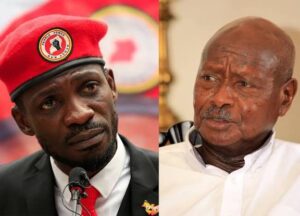
In a surprising political development ahead of Uganda’s January 15 general elections, nine opposition political parties have announced their support for President Yoweri Kaguta Museveni. The endorsement comes just days before voters head to the polls, adding a new twist to an already heated election season.
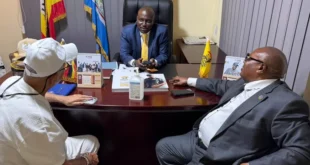
The announcement was made by Stella Birah Nambuya, the President of the Deliberate Vote and leader of the Republican Women and Youth Party. Speaking on behalf of the alliance, Nambuya said the decision followed wide consultations within the coalition and deep reflection on the future of the country.
According to Nambuya, the parties involved agreed that Uganda needs stability, continuity, and steady development. She explained that after assessing the political environment and national priorities, the coalition found President Museveni’s leadership to align with their shared values and goals.
The alliance operates under the Deliberate Vote banner, a platform that brings together several smaller political parties and independent actors. The coalition includes the Republican Women and Youth Party, the Activist Party, Congress Service Volunteer Organization, and Liberal Democratic Transparency, among others.
Other parties in the alliance are the Forum for Integrity in Leadership, People’s Development Party, Society for Peace and Development, Uganda Patriotic Movement, and the National Economic Empowerment Dialogue. Several independent candidates have also joined the coalition, strengthening its reach across different regions.
Nambuya emphasized that this endorsement does not come from pressure or political deals, but from what she described as a “careful and honest assessment” of the country’s needs. She said the coalition believes Museveni offers the most realistic path toward peace and economic progress.
Unlike traditional political campaigns that rely on large rallies, the Deliberate Vote coalition has chosen a different strategy. Nambuya explained that the group is focusing on grassroots mobilization rather than mass public gatherings.
She said coalition members are engaging voters directly through small meetings, office consultations, phone calls, SMS messages, and video calls. This approach, she noted, allows for deeper and more meaningful conversations with voters at the community level.

According to Nambuya, this strategy has already shown positive results. She claimed that the coalition expects to deliver an additional 3.3 million votes for President Museveni across the country.
She added that the alliance’s members are spread across various districts and communities, giving them the ability to reach voters who are often missed by large national campaigns. This, she said, gives their efforts a strong local impact.
Nambuya also pointed out that many Ugandans are more interested in practical issues than political slogans. She said voters want leaders who can maintain peace, improve livelihoods, and support economic empowerment.
The coalition believes that President Museveni’s long experience in leadership puts him in a better position to address these concerns. Nambuya said the alliance values experience, stability, and a clear development path.
She further explained that the Deliberate Vote coalition is not abandoning its identity as a group of independent-minded parties. Instead, she said they are making a strategic choice based on what they believe is best for the nation at this time.
Nambuya urged supporters of the coalition to remain calm and focused as polling day approaches. She called on voters to turn up in large numbers and exercise their right to vote peacefully.

She stressed that peaceful participation in the elections is important for Uganda’s democracy and international image. According to her, violence and intimidation only harm the country and its people.
The endorsement has already sparked debate within political circles, with some observers calling it unexpected while others see it as a sign of Museveni’s broad appeal. Analysts say the move could influence undecided voters.
As the election date draws closer, the political atmosphere continues to evolve. The backing from nine opposition parties adds momentum to Museveni’s campaign and reshapes the opposition landscape.
For the Deliberate Vote coalition, the focus now is on final voter engagement efforts. Nambuya said the group will continue reaching out to citizens until the last day before polling.
She concluded by saying that the coalition’s decision is driven by hope for a united and prosperous Uganda. With just days to go before the elections, all eyes will be on how this endorsement affects the final outcome.
In closing, Nambuya said the coalition remains open to dialogue with all Ugandans, regardless of political affiliation.
She noted that the Deliberate Vote platform will continue advocating for inclusive governance, accountability, and citizen participation even after the elections, stressing that national unity and development should always come before party differences.