Related Articles


In a tragic turn of events, a National Unity Platform (NUP) supporter and prominent private doctor from Mbale has lost his life after being shot by police in Budadiri. The incident occurred as the NUP’s presidential candidate, Robert Kyagulanyi Ssentamu, popularly known as Bobi Wine, was en route to a rally in nearby Sironko. The shocking event has left many shocked and heartbroken, as the victim was not only a well-respected figure in the medical community but also an active participant in Uganda’s ongoing political landscape.
The doctor, whose name has yet to be officially confirmed, was part of the growing number of supporters who have rallied behind Bobi Wine, a candidate who has gained immense popularity across Uganda, particularly in urban areas like Mbale. His death has cast a dark shadow over the ongoing political season, adding to the already heightened tensions ahead of the 2026 general elections.
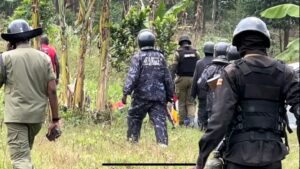
The shooting took place during a tense moment as the police were attempting to control crowds ahead of Bobi Wine’s rally. While the details surrounding the incident remain unclear, witnesses report that the doctor was caught in the chaos when police opened fire on what they perceived as a threat to the security of the event. Local residents and fellow NUP supporters are devastated by the loss, as the doctor was known not just for his medical expertise but also for his involvement in advocating for change and democracy in Uganda.
Authorities have yet to release a full statement on the matter, but the news has sparked widespread outrage, with many questioning the use of force by the police. Several witnesses have described the doctor as being unarmed and in the wrong place at the wrong time. The incident has further fueled the growing discontent among Bobi Wine’s supporters, many of whom already feel that the government is using heavy-handed tactics to suppress opposition.
News of the doctor’s death quickly spread across social media, with NUP supporters expressing their grief and anger. Photos of the doctor, once smiling in campaign photos with Bobi Wine, now circulate online, each one adding weight to the sorrow many are feeling. For some, it feels as though the sacrifices made by the opposition are not being taken seriously, and the political climate in Uganda has become increasingly unsafe for those who dare to speak out.
Family members of the deceased have issued a statement expressing their deep pain and calling for justice. “He was not just a doctor; he was a father, a friend, and an advocate for justice,” said one relative, visibly shaken by the loss. “We never expected that something like this would happen to him. He was only trying to do what he believed was right.”
This tragedy has sparked a wave of solidarity, with citizens from various parts of Uganda coming together to mourn the loss of a man who stood for the ideals of a better future for the country. Despite the growing political unrest, many continue to hold onto the belief that peace and democracy can prevail, even in the face of such senseless violence.
However, others feel that this is a sign of things to come. The incident has brought the already fragile state of Uganda’s democracy into sharp focus, with concerns about the safety of opposition supporters and activists reaching a boiling point. Will this be a turning point in the political discourse? Or will it further divide the nation and fuel more violence in the lead-up to the election?

As funeral arrangements are made, people across Uganda are coming to terms with the reality that political violence is becoming more entrenched. The doctor’s death serves as a stark reminder of the price some are willing to pay for their beliefs, and the risks opposition figures and their supporters face as they push for change.
Bobi Wine, who had been scheduled to speak at the Sironko rally, issued a statement expressing his condolences to the family of the fallen doctor. He condemned the actions of the police and vowed to continue the fight for justice. His words have resonated deeply with his supporters, who see the tragedy as an attack on their right to free expression and peaceful assembly.
The opposition leader has called for an independent investigation into the circumstances surrounding the doctor’s death. “No one should have to die for supporting a cause they believe in,” Bobi Wine said in his message. “This is not just about one life; it’s about the right of all Ugandans to live in peace without the fear of being silenced for their beliefs.”
As news outlets begin to cover the story, international attention has also been drawn to the violence unfolding in Uganda. Human rights organizations have condemned the police’s actions, calling for accountability and an end to the brutal repression of opposition groups. The world is watching, and many are hoping that this incident will lead to change, not just in the country’s political system, but also in how the government handles dissent.
For now, the people of Mbale and Uganda at large are left to grieve, reflect, and process the loss of a man who gave so much to his community. His death serves as a painful reminder that the road to change is often fraught with danger. As the nation prepares for the upcoming elections, many are left wondering what price will be paid next in the name of political ambition.
As the investigation continues, the story of this fallen NUP supporter and dedicated doctor will surely become a rallying cry for those who believe in the power of democracy and human rights. It is a story that underscores the risks faced by those on the frontlines of political change, and it will undoubtedly leave a lasting impact on Uganda’s political landscape for years to come.
But beyond the politics, the most important lesson from this tragedy is the reminder that every life matters. Whether it is a supporter of Bobi Wine or any other candidate, we must never forget the cost of political division. Every death is a loss to society, and it’s time that the nation stops paying that price.
The people of Uganda deserve better. They deserve a future where their voices are heard, their opinions respected, and their lives valued above all else. Until then, the memory of this fallen doctor will linger, urging us all to stand up for what is right. May his soul rest in peace.

As the nation grapples with the aftermath of this tragic incident, it is crucial to acknowledge the larger context in which it occurred. Uganda’s political climate has become increasingly polarized, and the divisions between the government and opposition seem to be deepening with every passing day. The loss of life, especially one so senseless, raises questions about the cost of political engagement in such a charged environment. It is not just the direct victims of violence who suffer, but the entire country that is left to face the consequences of these tensions. People are questioning whether there is room for peaceful dialogue, or if the country is now on a path where power can only be held through force.
This recent event serves as a reminder that no one is immune from the consequences of political unrest. What began as a peaceful campaign rally has now become a symbol of the dangers faced by those who oppose the government, including respected professionals like the late doctor.
His death raises an important question about the state’s duty to protect its citizens, regardless of their political affiliations. Many are now asking whether this is a sign of things to come: will more lives be sacrificed on the altar of political ambition, or can Uganda find a way to move past the violence and embrace a more peaceful and democratic future?
The impact of this tragedy extends far beyond Uganda’s borders. International organizations and foreign governments are now calling for transparency and accountability. The United Nations has expressed its concern over the use of excessive force, while human rights organizations are demanding a thorough and impartial investigation into the shooting.
With the world watching, Uganda’s leaders face mounting pressure to restore faith in the country’s justice system and ensure that those responsible for this senseless act are held accountable. The eyes of the global community are now trained on this small East African nation, and how the government responds to this tragedy will play a major role in shaping Uganda’s international reputation.
In the midst of mourning, however, there is a spark of resilience among the people of Uganda. Many of the doctor’s colleagues, friends, and supporters have vowed to honor his memory by continuing the fight for a free and just society. This tragic loss has galvanized people to push even harder for the change they believe in.
As Bobi Wine and his supporters continue to campaign, they will undoubtedly carry the doctor’s spirit with them, using his death as a catalyst for further mobilization. For them, his sacrifice will never be in vain—it will fuel their determination to see a better, more democratic Uganda.