Related Articles

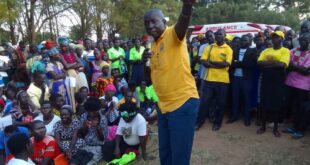
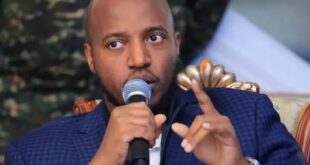
Uganda’s political debate has taken a new direction after veteran journalist and political commentator Andrew Mwenda publicly advised National Unity Platform (NUP) leader Bobi Wine to change his post-election strategy. His remarks have triggered strong reactions from both government supporters and opposition followers.

Speaking during a television appearance, Mwenda argued that Bobi Wine should consider working with President Yoweri Museveni instead of continuing a path of confrontation. He suggested that cooperation could give the opposition more influence in shaping national affairs.
Mwenda’s comments come at a time when political tensions remain high following recent elections. Questions about the credibility of electoral processes continue to be discussed widely among citizens, politicians, and analysts.
According to Mwenda, Uganda’s elections have historically faced criticism for not being fully free and fair. However, he believes the opposition must deal with the political reality created by Museveni’s long time in power.
He outlined what he sees as two difficult choices for opposition groups. One option is to participate in elections even when the system is flawed, while the other is to boycott and risk losing public visibility and relevance.
Mwenda argued that participation is still the better path. In his view, elections provide a platform for opposition leaders to share their ideas, build support, and communicate with citizens across the country.
At the same time, he criticized what he called a contradiction in opposition politics. He said that if leaders choose to take part in the process, they should be ready to accept the results, even when they are unhappy with the outcome.

His argument is that constantly rejecting results after participating weakens the opposition’s credibility. He believes it creates a cycle of protest without producing real political gains.
Mwenda also pointed out that President Museveni’s political style and strategies are well known. In his opinion, the opposition has not developed new and creative ways to compete within the existing system.
He suggested that challenging entrenched leadership requires innovation. This, he said, includes smarter political organization, new alliances, and strategies that go beyond repeating the same approaches each election cycle.
Turning specifically to Bobi Wine, Mwenda said he would personally choose a different path if he were in the NUP leader’s position. He said he would concede after the election and seek a working relationship with Museveni.
To support his view, Mwenda referred to Kenyan opposition leader Raila Odinga. He noted that Odinga accepted political “handshakes” after disputed elections and chose dialogue over prolonged confrontation.

Mwenda argued that Odinga’s approach helped reduce tension in Kenya during sensitive periods. He suggested that such cooperation can prevent instability and allow political actors to remain influential.
However, this comparison has also drawn criticism. Some Ugandans believe the political situations in Kenya and Uganda are different and cannot be treated as the same.
Supporters of Bobi Wine often argue that cooperation without meaningful reforms could weaken the opposition’s mission. They fear it may be seen as surrendering the push for deeper political change.
On the other hand, Mwenda believes continued defiance and boycotts could isolate the opposition. He says this may limit their ability to influence policy and national direction.
His message centers on the idea that opposition leaders should eventually shift from protest to participation in governance. He describes this as becoming responsible stakeholders rather than permanent critics.
The debate reflects a wider question in Ugandan politics: whether change comes through confrontation or gradual engagement. Both paths have risks and potential benefits.
As discussions continue, citizens are closely watching how opposition leaders respond to such advice. The choices made in the coming months could shape Uganda’s political climate for years to come.