Related Articles


Uganda’s political and security conversation has taken a serious turn following a strong statement attributed to General Muhoozi, a senior military figure.
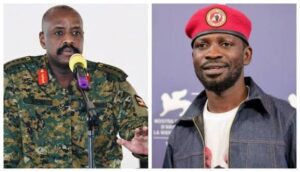
In the message, he reportedly said that security forces had killed 30 individuals he described as “NUP terrorists.” The remark has quickly sparked heavy debate across the country.
The statement has raised tension because it links deadly force to people connected to the National Unity Platform, one of Uganda’s main opposition parties. Many citizens are trying to understand what exactly happened and under what circumstances these deaths occurred. Questions about security, politics, and human rights have come up immediately.
Whenever lives are lost in security operations, emotions run high. Families, communities, and political supporters often demand clear explanations. In this case, the number mentioned is large enough to cause national concern.
Supporters of the government argue that security agencies have a duty to deal firmly with anyone involved in violent or illegal acts. They say if there were armed or dangerous groups threatening peace, then security forces may have responded to protect the country.
However, critics are worried about the language used. Calling people “terrorists” in a political environment can be controversial, especially when linked to an opposition movement with many civilian supporters. They say such labels must be backed by strong and clear evidence.
Human rights organizations often stress that the use of deadly force should be the last option. They argue that every life matters and that the law must guide security operations at all times. They also call for independent investigations whenever deaths occur.

The political history between NUP and security agencies has already been tense. Arrests, confrontations, and accusations have happened in the past. This latest claim is likely to increase mistrust between the opposition and the state.
Social media has played a big role in spreading the statement. Different versions of the message are being shared, with people adding their own opinions. This has made the issue even more heated and emotional.
Some Ugandans believe that such strong words are meant to send a warning. They see it as a message that the government will not allow any form of uprising or violent activity to grow. To them, it shows strength and control.
Others feel the statement may increase fear among citizens. They worry about the safety of political activists and young supporters who are active in opposition politics. Fear can easily spread when deaths are discussed in political language.
Political analysts say that communication from powerful leaders is very important during sensitive times. Words about killing and terrorism can shape how people think and behave. They can either calm a situation or make it more explosive.
There is also the legal side of the issue. In any country, security actions that lead to death are expected to be reviewed under the law. Clear reports, evidence, and accountability help to maintain public trust.
Religious leaders and community elders often call for peace during such moments. They remind leaders and citizens that violence usually leads to more suffering. Dialogue and lawful processes are often seen as safer paths.

For ordinary people, daily survival remains the main concern. Many Ugandans are focused on work, school, and family life. Political violence or fear can disturb these everyday activities.
International observers may also pay attention to such developments. Reports of political-related killings often attract concern from outside the country. Issues of rights and governance can affect Uganda’s image globally.
At the same time, security threats are real concerns in many nations. Governments everywhere say they must act to prevent violence. The challenge is balancing safety with respect for rights and freedoms.
Opposition leaders are likely to respond strongly to the claim. They may demand proof and challenge the narrative presented. This could lead to more public statements and political exchanges.
Moments like this show how sensitive Uganda’s political climate can be. Trust between leaders, institutions, and citizens becomes very important. Without trust, even small issues can grow into major crises.
The public now waits for more detailed information. Many people hope for clarity about what happened, who was involved, and what legal steps are being taken. Transparency can reduce rumors and tension.
In the end, peace, justice, and responsible leadership are what many citizens hope to see. Strong security and respect for human life must go hand in hand. How this situation is handled may shape the country’s political path in the days ahead.