Related Articles

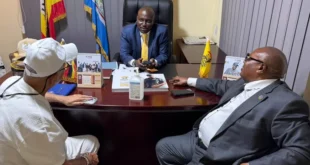

Minister Balaam Barugahara has publicly called on opposition leader Robert Kyagulanyi, popularly known as Bobi Wine, to meet with President Yoweri Museveni to seek reconciliation.
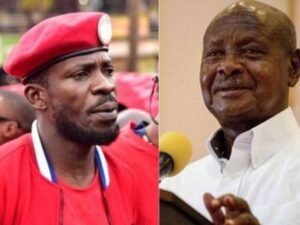
The minister suggested that such a meeting could help heal political tensions and foster unity in Uganda.
Speaking to the media, Barugahara emphasized that reconciliation is vital for the stability and development of the country.
He believes that personal and political differences should not prevent leaders from coming together to work for the nation.
According to Barugahara, Bobi Wine and Museveni represent two significant political forces in Uganda.
Their ongoing disagreements have shaped national politics for years, and a meeting could provide a platform for dialogue and understanding.
The minister suggested that reconciliation would not only benefit the leaders themselves but also set an example for the citizens.
He said it could demonstrate that politics does not have to be divisive and that differences can be resolved through conversation.
Barugahara explained that Uganda has a long history of political disagreements, sometimes leading to conflict.

He believes that dialogue at the highest levels is necessary to prevent unnecessary tension and ensure peaceful governance.
He also highlighted the importance of forgiveness. According to the minister, asking for forgiveness is a sign of strength rather than weakness. It allows for healing and restores trust between leaders and their followers.
The minister’s call has generated a mixed reaction across political circles. Supporters of Bobi Wine see the idea as an opportunity for national peace, while some opposition members are cautious, fearing it could be seen as compromising their principles.
Barugahara stressed that reconciliation does not mean giving up political ideals or surrendering authority. Instead, it is about finding common ground and creating an environment where both sides can coexist peacefully while continuing to pursue their respective agendas.
He pointed out that citizens are tired of constant political tension and that a public meeting between the two leaders could reassure the population that unity is possible. This, he suggested, could boost national morale and confidence in the government.
Barugahara also reminded the public of past instances where reconciliation and dialogue have successfully resolved political standoffs.
He cited examples from Uganda and other countries where personal meetings between leaders led to stability and progress.
The minister emphasized that such a meeting should be private and focused on dialogue rather than media theatrics. He believes that genuine conversation, free from pressure and publicity, is more likely to yield meaningful results.
He further suggested that intermediaries could facilitate the meeting if needed. Trusted figures from both sides could help create a comfortable atmosphere, allowing each leader to express concerns and expectations openly.
Barugahara acknowledged the historical tension between Bobi Wine and Museveni, noting that emotions run high on both sides. However, he argued that putting the country first should override personal grievances.
The minister’s comments come at a time when Uganda is navigating complex political dynamics. With upcoming elections and ongoing debates about governance, he believes that reconciliation between key figures could reduce friction and encourage constructive political engagement.

He also highlighted the economic and social benefits of political unity. A stable political environment can attract investment, strengthen governance, and improve service delivery, all of which benefit ordinary Ugandans.
Barugahara encouraged other leaders and citizens to support reconciliation efforts. He suggested that national unity is a shared responsibility and that everyone, including grassroots supporters, should contribute to building bridges between divided factions.
He urged Bobi Wine to see the meeting as an opportunity for leadership growth. According to Barugahara, humility, dialogue, and forgiveness are qualities that enhance a leader’s credibility and influence.
Barugahara also cautioned against allowing pride and political rivalry to block opportunities for peace. He believes that personal reconciliation can translate into broader political stability if approached with sincerity and mutual respect.
The minister’s call has reignited debates on whether high-profile meetings can truly resolve political tensions. Some analysts say such gestures are symbolic but important, while others question whether they can lead to real policy or governance changes.
Regardless of opinion, Barugahara’s statement has brought attention back to the potential for dialogue between Bobi Wine and Museveni. Many citizens are watching closely to see if the opposition leader will respond positively to the minister’s appeal.
In the end, the push for reconciliation reflects a desire to prioritize the country over individual political differences. Barugahara’s message is clear: forgiveness, dialogue, and understanding are essential for a peaceful and prosperous Uganda, and leaders like Bobi Wine and Museveni have the responsibility to set that example.