Related Articles

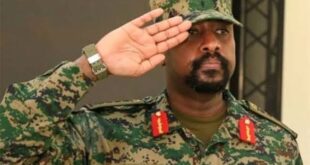
Uganda’s political environment has once again been stirred by a strong statement attributed to General Muhoozi, a senior military figure, regarding supporters of opposition leader Robert Kyagulanyi, popularly known as Bobi Wine. The remark has quickly gained attention and caused widespread discussion.
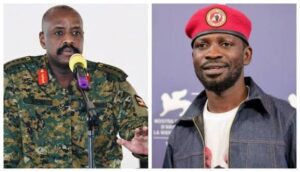
In the message, Gen Muhoozi reportedly warned that anyone who openly declares Bobi Wine as their political leader “must be annulled.” The use of such strong language has left many citizens confused, concerned, and debating what exactly the statement means.
Bobi Wine leads the National Unity Platform (NUP), one of Uganda’s most well-known opposition parties. He has a large support base, especially among young people, and has remained a central figure in the country’s political conversations.
The general’s statement has been interpreted in different ways. Some people see it as political rhetoric meant to show toughness, while others fear it could signal increased pressure on opposition supporters.
Whenever powerful leaders use harsh words in politics, it often raises tension. Citizens begin to worry about freedom of expression, political rights, and personal safety, especially those who are active in opposition activities.
Supporters of the government argue that national stability must come first. They believe strong warnings can discourage actions that might lead to unrest or violence. To them, such language is about protecting the country.
However, critics say political support should not be treated as a crime. In a democratic system, people are expected to have the freedom to choose their leaders and express their political opinions without fear.

Human rights defenders often stress that laws should guide political competition. They say no one should face punishment simply for supporting a political figure, as long as they are not involved in illegal acts.
The statement has spread widely on social media platforms. As people share it, emotions have grown stronger, with some expressing anger, others fear, and many confusion about the future political climate.
Political analysts point out that Uganda has experienced tense political moments before. Words spoken during such times can either cool the situation or make divisions deeper.
The term “annulled” used in the statement has also raised questions. Many people are asking what actions it refers to, since the word is not commonly used in security or legal language.
Religious leaders and community elders often call for calm when such issues arise. They encourage leaders on all sides to choose words carefully and promote peace instead of conflict.
For many ordinary citizens, daily life remains the priority. People are more focused on work, education, and family responsibilities than on political battles. Yet strong political statements can still affect their sense of security.

Opposition supporters feel particularly uneasy. They worry that open political participation may become risky if such warnings are taken seriously by security forces or local authorities.
At the same time, governments often argue that they must prevent activities that could lead to disorder. The challenge is always finding a balance between maintaining order and protecting freedoms.
International observers sometimes watch such developments closely. They often look at how political competition is handled and whether rights to speech and association are respected.
Uganda’s political space includes many voices and viewpoints. When language becomes harsh, it can make dialogue more difficult and increase mistrust between leaders and citizens.
Experts say communication plays a major role in shaping national stability. Responsible messaging can help maintain calm, while aggressive words may create fear and misunderstanding.
The coming days may bring more clarification from officials or responses from opposition leaders. Public debate around the issue is likely to continue as people seek to understand its meaning and impact.
In the end, many Ugandans hope for a peaceful political environment where differences are handled through lawful and democratic means. Stability, justice, and mutual respect remain key hopes for the country’s future.