With only a few days left before Uganda goes to the polls to elect its next president, the Uganda People’s Defence Forces (UPDF) has released a powerful video showcasing its preparedness to respond to any security challenges that may arise during the election period. The video has quickly gained attention across the country, sparking discussions about national security and stability.
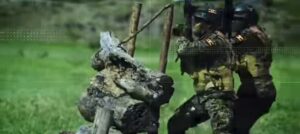
The timing of the video is significant. Elections are often tense moments in any nation, and Uganda is no exception. By releasing this footage now, the UPDF appears determined to reassure citizens that the country’s security is firmly under control and that peace will be maintained before, during, and after the elections.
In the video, well-trained soldiers are seen engaging in intense training drills designed to test their physical strength, discipline, and mental alertness. These exercises reflect the level of preparation the army has invested in ensuring that its personnel can respond quickly and effectively to any threat.
The footage highlights different tactical maneuvers, including coordinated movements in open fields and simulated urban environments. Soldiers work together with precision, showing strong teamwork and clear communication. This coordination is critical in managing security operations, especially in crowded or sensitive areas.
One striking feature of the video is the emphasis on operational readiness. The UPDF demonstrates its ability to mobilize forces rapidly, deploy equipment efficiently, and maintain command control in complex situations. This sends a strong message that the army is alert and ready at all times.
The training drills also show soldiers handling modern equipment with confidence. From protective gear to operational tools, the video suggests that the UPDF has invested in improving both skills and resources. This level of preparation is aimed at minimizing risks and ensuring public safety.
According to observers, the video is meant to calm public fears. During election seasons, rumors and misinformation can easily spread, causing unnecessary panic. By openly showing its readiness, the UPDF is encouraging citizens to remain calm and go about their civic duties peacefully.
The army’s leadership has repeatedly emphasized that its role is to protect Uganda’s sovereignty and support civil authorities when needed. The video reinforces this message by portraying soldiers as disciplined professionals focused on maintaining law and order.

Another key message from the video is deterrence. By displaying strength and preparedness, the UPDF discourages any groups or individuals who may be considering acts of violence or disruption during the electoral process. The clear message is that insecurity will not be tolerated.
The release has also drawn attention on social media, where many Ugandans have shared and commented on the footage. Some have praised the army for being transparent, while others see it as a sign that authorities are taking election security seriously.
Security analysts note that visible preparedness can reduce tension. When citizens feel protected, they are more likely to participate peacefully in elections. This confidence is essential for a credible and orderly voting process.
The video also reflects years of training and experience gained by the UPDF through various internal and regional operations. These experiences have shaped the army into a force that values discipline, coordination, and rapid response.
Importantly, the footage does not focus on aggression but on control and professionalism. Soldiers are shown following commands carefully, respecting procedures, and working within structured operations. This helps build public trust in the institution.
As election day approaches, the presence of security forces often becomes more noticeable across the country. The UPDF video prepares the public mentally for this presence, explaining through visuals that it is meant for protection, not intimidation.

The army’s demonstration of readiness also supports other security agencies. Effective election security depends on cooperation between the military, police, and other authorities. The video suggests that such coordination is in place.
For first-time voters and young people, the footage serves as reassurance that the environment will be safe. Many young Ugandans are active online, making the video an effective way to communicate directly with them.
Critically, the UPDF reiterates its commitment to neutrality in the electoral process. Its focus, as shown in the video, is on safeguarding peace rather than influencing political outcomes.
The professionalism displayed may also strengthen Uganda’s image beyond its borders.
Regional and international observers often watch how countries manage election security, and such preparedness can enhance confidence.
As Ugandans prepare to cast their votes, the message from the UPDF is clear and firm. The army stands ready, trained, and alert to ensure that the democratic process takes place in a secure environment.
In the final days before the elections, the video stands as a reminder that peace and stability are national priorities. With security forces on standby, citizens are encouraged to exercise their right to vote responsibly and peacefully.
