Related Articles

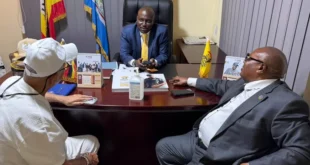
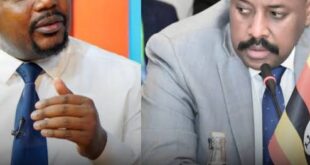
Hon. Ibrahim Ssemujju Nganda has opened up about why many candidates from his political group performed poorly in the recent general elections. Speaking after losing his own seat, the outspoken politician shared several challenges they say affected their campaign efforts.
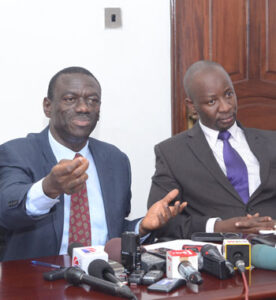
Ssemujju, who serves as Secretary General and chief mobilizer of the PFF, said lack of funds was one of the biggest problems. According to him, the party did not have enough money to run strong campaigns across the country.
He explained that many candidates had to use their own personal resources. Some, including well-known figures like Mayor Erias Lukwago, reportedly facilitated their own campaign activities without financial support from the party.
Campaigns in Uganda often require significant resources. Candidates need money for transport, posters, meetings, agents, and mobilization, which can be difficult without strong funding.
Ssemujju said because of financial challenges, the party failed to move around the country as planned. This limited their ability to reach voters in different regions and promote their candidates effectively.
Another issue he raised was the absence of their senior political figure, Dr. Kizza Besigye. Ssemujju said Besigye’s imprisonment on treason charges left a big gap in leadership and morale.
Besigye has long been an influential figure in opposition politics. His presence at rallies and public events has in the past energized supporters, so his absence was deeply felt.

Ssemujju suggested that without their senior leader actively involved, coordination and mobilization became more difficult. He described this as a setback during a critical election period.
The politician also expressed surprise over reports involving Winnie Byanyima and NUP president Robert Kyagulanyi, also known as Bobi Wine. He referred to an incident where Byanyima was seen handing over an envelope to Kyagulanyi.
Ssemujju claimed they were told the envelope contained campaign funds said to be from her husband, Dr. Besigye, to support Kyagulanyi’s campaign. However, he stated that this claim was not true, according to his understanding.
He said the situation left them shocked and confused, especially given the political dynamics within the opposition. Such events, he suggested, created questions and tension among supporters.
In addition, Ssemujju pointed to a prayer gathering held at Kyagulanyi’s home in Kasangati. He noted that Byanyima reportedly gave Kyagulanyi an opportunity to speak during the event.
According to Ssemujju, this was seen as a form of endorsement. He said it added to feelings that political support within the opposition space may not have been evenly distributed.

Opposition politics often involves alliances, disagreements, and shifting relationships. Moments like these can influence how supporters interpret unity or division among leaders.
Despite the disappointment, Ssemujju’s remarks also showed reflection. He appeared to be analyzing what went wrong rather than simply blaming external forces.
He stressed that better planning and stronger financial preparation are necessary in future elections. He said parties must be ready early to compete effectively.
Observers note that internal coordination and resources play a key role in election success. Without these, even popular figures can struggle to win.
The comments have sparked discussion among political followers. Some sympathize with the challenges he described, while others believe deeper structural issues need attention.
As the political landscape continues to evolve, opposition groups are likely to review their strategies. Lessons from this election could shape how they organize going forward.
In the end, Ssemujju’s statements highlight the complex mix of money, leadership, unity, and organization in politics. They show how multiple factors can combine to influence election outcomes.