Related Articles

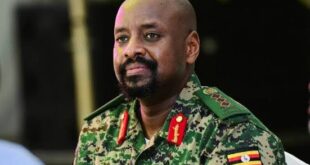
General Muhoozi Kainerugaba has once again created public debate after revealing that he blocked Kenyan journalist Larry Madowo on social media.
His reason, according to his own words, is simple but strong. He described Madowo using the Kiswahili word “msaliti,” which translates to “traitor” in English.
The statement quickly attracted attention across East Africa and beyond. Whenever a high-profile military and political figure like Muhoozi speaks, especially about the media, people tend to listen closely. His words spread fast on social media platforms.
Muhoozi is known for speaking his mind openly online. Over the years, he has used social media as a direct channel to express his opinions, sometimes in ways that surprise both supporters and critics. This latest comment fits into that pattern.
By choosing to use Kiswahili, Muhoozi added a regional and cultural touch to his message. Kiswahili is widely spoken in East Africa, and the word he used carries strong emotional and political meaning. It is not a light term, and many people understand the seriousness behind it.
Blocking someone on social media may seem like a small action, but when it involves public figures, it often becomes symbolic. In this case, it signals a clear personal and professional disagreement between Muhoozi and the journalist.
Larry Madowo is an internationally recognized journalist who has worked with major global media organizations. Because of his visibility, any mention of his name by a senior figure like Muhoozi naturally draws public interest.

The incident highlights the often tense relationship between politicians, military leaders, and journalists. Media professionals are expected to ask tough questions and report critically, which can sometimes create friction with those in power.
Supporters of Muhoozi online defended his decision. Some argued that public figures have the right to control their social media spaces and block people they feel misrepresent them or act unfairly.
On the other hand, critics expressed concern about leaders labeling journalists with heavy terms like “traitor.” They say such language can increase hostility toward the media and make open discussion more difficult.
This situation also shows how social media has changed communication. In the past, disagreements between leaders and journalists happened behind closed doors. Today, they unfold in public, in real time, for everyone to see.
Muhoozi’s choice of words has sparked conversations about loyalty, patriotism, and freedom of expression. Different people interpret these ideas in different ways, depending on their political views and personal beliefs.
Some analysts believe Muhoozi’s statement is part of his broader communication style. He often uses strong, direct language that keeps him in the headlines and ensures his voice remains part of public debate.
Others feel that such public confrontations can deepen divisions. When leaders and journalists clash openly, it can influence how citizens view the role of the media in society.

The media, on its part, often reports on statements like these because they involve public interest figures and issues of governance and communication. Stories about power, speech, and press freedom naturally draw attention.
This episode is also a reminder that words spoken by influential people carry weight. A single post or comment can travel across borders and become a topic of discussion in many countries.
For young people who follow politics online, such exchanges can shape their understanding of leadership and journalism. They see not only policies but also personalities and conflicts.
At the same time, blocking someone does not end public discussion. In fact, it can sometimes make the issue bigger, as people become more curious about the disagreement behind the action.
The use of Kiswahili made the message feel direct and personal. Language can be powerful, especially when it connects with people’s identities and regional culture.
Whether people agree with Muhoozi or not, his statement has once again shown his ability to dominate conversation. His social media presence continues to play a big role in how he is viewed both locally and internationally.
In the end, this incident reflects the complex relationship between leaders and the press in the digital age. With every post, reaction, and headline, the line between politics, media, and public opinion becomes even more closely connected.