Related Articles


In an electrifying speech delivered in Bukedea District, National Unity Platform (NUP) presidential candidate Robert Kyagulanyi, popularly known as Bobi Wine, made a bold promise to the people. Bobi Wine vowed that, following his victory over President Museveni in the 2026 general elections, a by-election will be held for the Woman MP seat in Bukedea. His statement has stirred both excitement and controversy in the region, especially concerning the current MP, Anita Among.
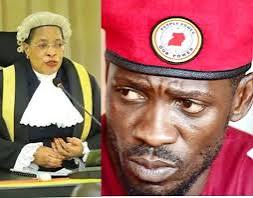
Bobi Wine’s campaign rally in Bukedea was charged with emotion and anticipation, as the NUP leader laid bare his grievances against the current political establishment. According to Kyagulanyi, Speaker Anita Among has long used her influence to ensure that her position remains uncontested. The opposition leader claimed that security forces and the Electoral Commission were involved in blocking potential candidates from challenging Among in the race.
Kyagulanyi further accused Among of spending over Shs150 million to silence her political opponents. He argued that this hefty sum was used to manipulate the political environment and ensure that no one could pose a credible challenge to her return to Parliament. This led to the current situation where Among was able to retain her seat without facing any competition.
“Tell Anita Among that after we remove Museveni, there will be a by-election in Bukedea,” Bobi Wine declared to a roaring crowd. His words were met with applause and chants from his supporters, who rallied behind his vision of a fair and free electoral process. For them, the idea of a by-election in Bukedea represented hope and a chance for political renewal in the district.
Bobi Wine’s statement is not just about a by-election; it is also a sharp critique of the existing political system in Uganda. He argues that the current leadership has allowed a small group of elites to control the political landscape, stifling any form of opposition. This, he believes, has led to a sense of disenfranchisement among ordinary Ugandans, who are tired of a government that only serves the interests of the powerful.
The NUP presidential candidate’s criticism of Anita Among is particularly significant. As the Speaker of Parliament, Among holds one of the highest political positions in Uganda. Her influence in the political arena has been hard to ignore, and many consider her a close ally of President Museveni. In fact, Bobi Wine’s remarks about Among come at a time when the political climate in Uganda is more polarized than ever.
Among, who has represented Bukedea in Parliament for several terms, has often been seen as a staunch supporter of the ruling party, the National Resistance Movement (NRM). Her political career has been marked by significant achievements, including her rise to the position of Speaker, but it has also been marred by accusations of corruption and abuse of power.
For her part, Among has yet to respond publicly to Bobi Wine’s claims. However, it is clear that her seat in Bukedea is now under intense scrutiny. Should Bobi Wine win the 2026 presidential elections, it will likely set the stage for a fierce political battle in the region, with the Woman MP seat at the center of it all.

The idea of a by-election in Bukedea also raises important questions about the future of Uganda’s democracy. Critics of the current government argue that elections in the country are often marred by rigging, intimidation, and violence. Bobi Wine’s promise of a free and fair by-election in Bukedea is seen as a challenge to the status quo and an effort to restore integrity to Uganda’s electoral system.
For the residents of Bukedea, the promise of a by-election offers them a glimmer of hope. Many have expressed frustration with the current political system, which they feel has failed to deliver on key issues such as jobs, healthcare, and education. If Bobi Wine’s vision becomes a reality, Bukedea could become a symbol of change in Uganda.
However, Bobi Wine’s plan to hold a by-election in Bukedea is not without its challenges. The ruling NRM party, with its vast resources and control over key institutions, may seek to block such a move. The Electoral Commission and security agencies, who are accused of colluding with Among, could be reluctant to allow a free and fair election. Bobi Wine’s team will have to navigate these obstacles carefully if they are to deliver on their promises.
The political stakes in Bukedea are incredibly high. A by-election in this district could serve as a litmus test for the 2026 elections. If Bobi Wine is able to successfully challenge Anita Among’s dominance in the region, it could signal a broader shift in Uganda’s political landscape. It could also serve as a signal to other regions that the time for change has come.
The NUP leader has already made significant inroads in many parts of Uganda, particularly in urban areas and among younger voters. His message of change and reform resonates with many who feel that the country has been stuck in the same cycle of political stagnation for decades. For Bobi Wine, Bukedea represents an important battleground in the larger fight for political power in Uganda.
In the weeks and months ahead, the political temperature in Bukedea is expected to rise. As Bobi Wine continues his campaign, it is likely that he will focus more on the region, rallying support and building a base of voters who are committed to the cause of democratic reform. His challenge to Among’s seat will likely dominate local political discourse and shape the narrative leading up to the 2026 elections.
For now, Bobi Wine’s promise of a by-election remains just that – a promise. However, the implications of his statement are profound. If he wins the presidency, he will have the power to fulfill this promise, and the people of Bukedea may soon have the opportunity to decide who will represent them in Parliament.

The question now is whether the people of Bukedea are ready for change. Will they support Bobi Wine’s vision of a fairer and more democratic Uganda, or will they stick with the current system, which many believe has failed them? The coming months will be crucial in shaping the future of Bukedea and, by extension, Uganda.
As Bobi Wine continues to gather momentum in his campaign, all eyes will be on Bukedea. The district has the potential to become a battleground for the future of Uganda, with the Woman MP seat serving as a key prize. Whether or not a by-election will actually take place depends on the outcome of the 2026 presidential elections, but one thing is certain – the political landscape in Bukedea is about to undergo a major transformation.
In conclusion, Bobi Wine’s vow to hold a by-election in Bukedea after defeating President Museveni is a powerful statement of his commitment to political change in Uganda. Whether or not this promise will be fulfilled remains to be seen, but it has already sparked a renewed sense of political energy in the region. As the 2026 elections draw closer, Bukedea will undoubtedly be a focal point of political activity, and the stakes have never been higher for the people of this district.
The potential by-election in Bukedea also opens the door for a deeper conversation about the role of women in Ugandan politics. Speaker Anita Among has been one of the most prominent female politicians in Uganda, but her continued dominance in Bukedea has drawn mixed reactions.
While some view her as a symbol of empowerment for women in leadership, others criticize her for perpetuating a political environment that shuts out fresh ideas and candidates. If Bobi Wine’s promise of a by-election comes to fruition, it could give more women in Bukedea the opportunity to vie for leadership roles and bring new perspectives to the political table.
Moreover, the promise of a free and fair by-election could serve as a catalyst for larger electoral reforms in Uganda. Bobi Wine’s pledge reflects his vision for a more transparent and democratic political system, one that empowers voters and ensures that their voices are heard.
Should Bukedea’s by-election become a model of fair election practices, it could inspire other districts across the country to demand similar changes. This, in turn, could set a precedent for how elections should be conducted in Uganda, challenging the practices of manipulation and corruption that have long been a feature of the political landscape.