Related Articles



A fresh public debate has emerged in Uganda following strong remarks attributed to General Muhoozi Kainerugaba regarding marriage, culture, and family authority. His words, which quickly circulated in political and social discussions, were seen by many as a response directed at opposition leader Bobi Wine.
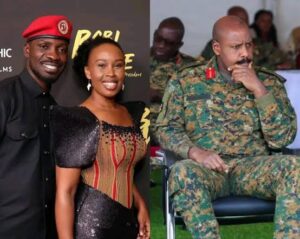
The statement has drawn attention not only because of the political rivalry involved, but also because it touched deeply on cultural identity and traditions.
In the reported comments, Muhoozi spoke about Baganda men marrying Banyankore women while claiming to have permission from “Mzee,” a name commonly used for President Yoweri Museveni.
He suggested that such approval was not enough under cultural norms. According to the remarks, true acceptance must come from family members, especially brothers and close relatives.
Marriage in many Ugandan communities is more than a personal decision between two people. It is often viewed as a union that brings families together. Among the Banyankore and several other groups, family participation is considered a sign of respect and seriousness about the relationship.
Traditionally, brothers and elders play a guiding role in marriage discussions. They may be involved in introductions, negotiations, and ceremonies that formalize the relationship. These customs are seen as protecting family honor and ensuring that both sides understand their responsibilities.
Muhoozi’s statement emphasized this cultural process. He warned that ignoring these structures could bring problems, even referring to curses that may affect homes where traditions are not followed. Such language reflects beliefs that are still taken seriously in many traditional settings.

However, the mention of specific ethnic groups — Baganda and Banyankore — added sensitivity to the discussion. Uganda is home to many tribes that have lived together for generations. Inter-tribal marriages have become more common, especially in urban areas where people from different backgrounds meet and form relationships.
For many citizens, intermarriage is seen as a sign of unity and national integration. Families formed across tribes often help build understanding and reduce prejudice. Because of this, some people worry when public statements seem to highlight divisions.
Others, though, argue that cultural respect does not mean rejecting unity. They believe couples from different tribes can still follow traditions from both sides. In this view, seeking family approval strengthens bonds rather than limiting freedom.
The political angle of the remarks has also fueled discussion. Bobi Wine is known for speaking about equality, youth empowerment, and national unity. When cultural matters are mentioned in the same context as political leaders, people often interpret them as part of a broader political exchange.
Ugandan politics has long included strong rhetoric and symbolic messages. Cultural identity sometimes becomes part of political expression. Observers say this can energize supporters, but it also requires careful handling to avoid misunderstanding.
Social media reactions have been divided. Some users supported the call to respect family authority in marriage matters. They shared personal experiences where involving elders led to peaceful and stable homes.
Other voices criticized the tone of the statement. They argued that marriage decisions should primarily belong to the adults involved. For them, love and mutual agreement are more important than tribal lines or extended family control.
Religious leaders often encourage balance on such issues. Many teach that couples should respect parents and elders while still making their own choices. Dialogue between generations is frequently suggested as the best solution.
The reference to curses stood out in public conversation. In many African traditions, curses symbolize deep cultural or spiritual consequences of wrongdoing. Yet, some modern thinkers interpret such language as a strong metaphor rather than a literal threat.
Uganda’s legal framework protects individual rights, including the right to marry. At the same time, the Constitution recognizes cultural practices and institutions. This sometimes creates tension between modern law and customary expectations.

Inter-tribal families have contributed greatly to social cohesion. Children raised in such homes often learn multiple languages and traditions. These families can act as bridges between communities.
Cultural pride remains important to many Ugandans. People want their customs respected, especially in major life events like marriage. The debate shows how strongly heritage is valued across the country.
Some analysts believe the discussion should lead to more cultural education. Young people who understand traditions may be better prepared to navigate family expectations. Open conversations can reduce conflict and build mutual respect.
Leaders’ words carry great influence in society. Public figures are often encouraged to use language that promotes unity while discussing sensitive topics. Careful communication can help prevent unnecessary tension.
In daily life, many Ugandans continue to interact peacefully across tribal lines. Friendships, workplaces, and neighborhoods often include people from different backgrounds living side by side.
The ongoing debate shows how closely culture, identity, and politics are connected in Uganda. Issues of marriage and tradition touch personal and family values deeply.
How such matters are discussed publicly will continue shaping conversations about unity, respect, and national harmony.