Related Articles

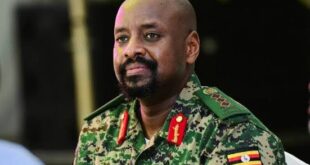

General Muhoozi Kainerugaba, the Chief of Defence Forces (CDF) of the Uganda People’s Defence Forces (UPDF), has stirred public debate after making a strong and controversial statement regarding opposition figure Bobi Wine, whom he referred to by the nickname “Kabobi.”
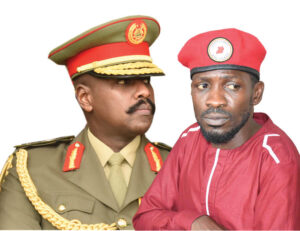
In his remarks, Gen. Muhoozi declared, “We are most certainly hunting Kabobi. He is wanted dead or alive. It doesn’t matter how long it takes us, we will get him.” The words immediately triggered intense reactions across political and social circles.
The statement, widely shared on social media, was interpreted by many as a direct attack on Bobi Wine, the leader of the National Unity Platform (NUP) and a long-time critic of the government. Supporters and critics alike began debating the meaning and implications of such language coming from a senior military leader.
Some observers described the remarks as symbolic political rhetoric rather than a literal security directive. They argued that strong language is often used in heated political exchanges to express frustration or determination rather than an actual call to violence.
Others, however, expressed concern. Human rights advocates noted that words from a high-ranking security official carry weight and can influence public perception and national tension. They called for calm and responsible communication from leaders in sensitive positions.
Gen. Muhoozi has previously used bold and dramatic language when discussing political matters. His communication style blends military confidence, social media culture, and political commentary, which often attracts both praise and criticism.
Supporters of the general say his statement reflects firmness and loyalty to what he believes is national stability. They argue that he views opposition actions as disruptive and frames his responses in the language of military resolve.

Critics counter that Uganda’s political environment requires dialogue rather than threats. They emphasize that political competition should remain within constitutional and legal frameworks, not confrontational expressions.
Bobi Wine, often at the center of political disputes, has long accused security agencies of intimidation. His supporters viewed Muhoozi’s words as reinforcing their concerns about political pressure on opposition leaders.
Political analysts suggest that such statements deepen polarization. Uganda’s political climate already features sharp divisions, and strong rhetoric can widen the gap between opposing sides.
The UPDF, as a national institution, traditionally maintains that it serves all Ugandans regardless of political belief. Observers say statements that appear politically charged can blur the line between military duty and political involvement.
Legal experts also weighed in, noting that Uganda’s Constitution guarantees political participation and the rule of law. They stressed that any matters involving individuals should follow legal processes rather than public declarations.
Social media reactions were immediate and intense. Some users turned the statement into memes and commentary, while others expressed alarm, calling for clarification or de-escalation.
The phrase “dead or alive” especially caught attention because of its historical association with law enforcement pursuits of dangerous criminals. Its use in a political context raised eyebrows.

Despite the uproar, some commentators believe the statement may have been exaggerated for effect. They argue that social media often amplifies dramatic wording beyond its original intent.
Still, communication from leaders in uniform is closely scrutinized. Military leaders are expected to project discipline and neutrality, making every public remark significant.
The development also highlights how modern politics and social media intersect. Statements once confined to private conversations now reach millions instantly, shaping narratives and emotions nationwide.
Calls for dialogue and restraint followed the controversy. Religious leaders, civil society groups, and commentators urged political actors to choose words that promote peace rather than fear.
As discussions continue, the incident reflects the broader tension in Uganda’s political space, where security, leadership, and opposition politics often collide in the public arena.
In the end, Gen. Muhoozi’s declaration has become more than just a statement — it has become a focal point in the ongoing conversation about leadership language, political rivalry, and the importance of measured communication in a nation striving for stability.