Related Articles


A shocking video has gone viral across social media, causing anger, fear, and deep sadness among many Ugandans. The video allegedly shows Electoral Commission officials calmly ticking ballot papers in favor of President Yoweri Museveni at a polling station in western Uganda. The footage is disturbing because it appears to show the very people trusted to protect the vote instead openly destroying it. For many citizens, this video confirmed long-held fears about how elections are conducted in the country.
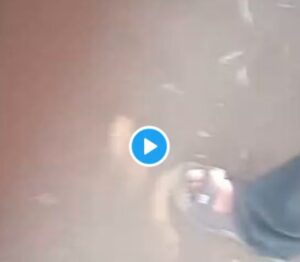
Elections are supposed to be a sacred process where the will of the people is respected. Every ballot paper should represent the voice of a citizen who lined up, waited patiently, and voted with hope. But the video suggests a very different reality. It shows ballot papers being marked without voters present, raising serious questions about whether the final results truly reflect what Ugandans decided on voting day.
Many opposition supporters say this video is not an isolated incident. They argue that it is only one piece of evidence among many showing a wider system of election fraud. According to them, what the country witnessed was not a free and fair election, but a carefully controlled exercise designed to maintain power at all costs. The video has therefore become a symbol of a much bigger problem.
The statement accompanying the video accuses President Museveni and his system of running what critics describe as a “criminal” election process. Strong words are being used because emotions are running high. People feel betrayed, especially those who actively participated in the campaigns, believing that change could come through the ballot.
Supporters of the opposition say they did everything required of them in a democratic process. They campaigned peacefully, moving from village to village, sharing their message and asking citizens to vote. On election day, they turned up in large numbers and cast their votes. Many believed that this time, their voices would finally count.
After voting, many groups tried to protect their vote by deploying polling agents and election officials at stations across the country. These agents were meant to observe the process, record results, and report any irregularities. However, reports claim that many of these agents were arrested, harassed, or even abducted before they could do their work properly.
According to opposition leaders, the removal of polling agents created space for manipulation. Without witnesses, they say, Electoral Commission officials and security forces were able to interfere with ballot papers and results. The viral video is now being presented as proof of what may have happened in many other places where cameras were not present.

The events of January 15 have therefore left a deep wound in the hearts of many Ugandans. Instead of celebrating democracy, the country is once again debating whether elections are meaningful at all. For young people especially, the feeling of hopelessness is growing, as they wonder if voting can ever bring change.
The phrase “protest vote” has become central to this conversation. Opposition figures explain that they already knew the system was stacked against them. Still, they chose to participate, not because they trusted the process, but to expose its weaknesses. Voting, in this case, was an act of resistance rather than confidence.
By calling it a protest vote, they argue that the goal was to show the world the true state of democracy in Uganda. They wanted to document intimidation, arrests, violence, and alleged ballot stuffing. The viral video is now being used as evidence to support these claims and to demand accountability.
Social media has played a powerful role in spreading this information. Within hours, the video had been shared thousands of times across platforms like X, Facebook, WhatsApp, and TikTok. Many Ugandans in the diaspora also picked it up, sharing it with international media and human rights organizations.
Calls are now growing for citizens to continue recording and sharing any evidence of election theft. Activists are urging people to keep videos, photos, and written accounts safe. They believe that even if justice is delayed, a strong record of evidence will one day matter.
However, fear remains a major challenge. Uganda has a long history of cracking down on dissent, especially after elections. People worry about retaliation, arrests, and violence if they speak out too loudly. Despite this fear, many say the pain of silence is now greater than the risk of speaking.
The video has also raised serious questions about the independence of the Electoral Commission. If officials meant to be neutral are instead seen favoring one candidate, public trust completely collapses. Without trust, elections lose their meaning and legitimacy.

For supporters of the ruling party, some have dismissed the video as fake or staged. They argue that the opposition is trying to discredit the election because they lost. This divide in interpretation shows how deeply polarized the country has become.
Yet for many ordinary citizens, the issue goes beyond political parties. It is about dignity, fairness, and the right to choose leaders freely. People want to believe that their vote matters, regardless of who they support.
International observers are also being urged to take such evidence seriously. Critics say that general statements about “peaceful voting” are not enough when there are clear signs of manipulation behind the scenes. They want stronger action and honest reporting.
As the debate continues, one thing is clear: the viral video has changed the national conversation. It has given visual form to long-standing accusations and has energized calls for reform. Whether anything will change immediately remains uncertain.
For now, many Ugandans are left with anger, disappointment, and determination. They feel robbed, but not silenced. By sharing videos, stories, and evidence, they hope to reclaim their voice and remind those in power that the people are watching.
In the end, this moment may define the future of Uganda’s democracy. The question remains whether the system will listen to the people or continue to suppress them. What is certain is that the demand for truth, justice, and genuine elections is growing louder than ever before.