Related Articles

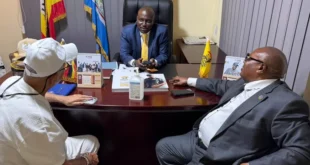

Minister Hajjat Minsa Kabanda has made a revelation that has stirred debate within political circles, especially in Kampala Central. Speaking openly about her journey to winning the National Resistance Movement (NRM) parliamentary ticket, Kabanda shared details of a proposal she says came from none other than the Speaker of Parliament, Annet Anita Among. Her remarks have sparked discussion about political ethics, power, and personal conviction.
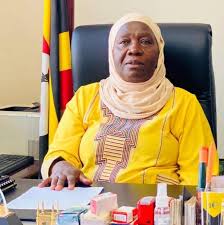
According to Kabanda, the proposal was made at a time when competition for the Kampala Central parliamentary seat was intense.
Many candidates were eyeing the same position, and the political atmosphere was charged with expectations, pressure, and strategy. As a minister and a strong political figure, Kabanda was seen as a serious contender from the start.
Appearing on CBS radio, Kabanda explained that Anita Among, whom she described as a friend, offered to help her win the seat without struggling too much on the ground.
The Speaker, Kabanda claimed, suggested that she could use her influence to have Kabanda’s competitors removed from the race, allowing her to go through unopposed.
Kabanda said the proposal shocked her, not because of who made it, but because of what it represented. She explained that winning an election without the people’s vote would weaken her moral authority and disconnect her from the electorate she intended to serve. For her, leadership had to begin with genuine public support.
She revealed that she immediately declined the offer. Kabanda said she told Anita Among that she wanted to earn her victory, not be handed power. In her view, leadership that comes easily can also be taken away easily, especially when it lacks the backing of ordinary voters.

Kabanda further explained that accepting such help would make it difficult for her to truly work for the people of Kampala Central. She believed that if voters did not choose her freely, she would always feel indebted to powerful individuals instead of being accountable to the public.
She emphasized that going through unopposed was never an option for her. Kabanda said she strongly believed the ground was already in her favor and that the people of Kampala Central were ready to support her. Confidence in grassroots support, she noted, gave her the courage to reject shortcuts.
During the campaign period, Kabanda said many of her competitors misunderstood her intentions. Some believed that because she was already a minister, she would use money or influence to force them out of the race. Others expected secret meetings and financial offers.
However, Kabanda said she surprised many people by choosing a different path. Instead of negotiating with rivals behind closed doors, she went directly to the people. She walked through communities, listened to concerns, and asked for votes openly and respectfully.
She described the campaign as demanding but fulfilling. Moving across Kampala Central, she interacted with market vendors, youth groups, religious leaders, and local opinion shapers. These engagements, she said, strengthened her understanding of the real challenges faced by residents.
Kabanda noted that hustling for votes gave her legitimacy. Every handshake, conversation, and public meeting reminded her why leadership matters. She said the experience prepared her better for public service than any political favor ever could.
The minister also used the radio appearance to send a message to young politicians. She encouraged them to believe in the power of voters and not rely too much on political godfathers or powerful friends to succeed.
She argued that while political influence is real, it should not replace the will of the people. Kabanda said leaders who bypass voters often struggle to connect with communities once in office.

Kabanda’s remarks come at a time when public trust in politics is under close scrutiny. Many citizens frequently question how leaders rise to power and whether elections truly reflect the people’s voice.
By sharing her story, Kabanda appeared keen to present herself as a leader who values integrity and transparency. She framed her decision as a personal choice guided by principle rather than convenience.
She also made it clear that her relationship with Anita Among was not based on political manipulation. While acknowledging the Speaker’s influence, Kabanda insisted that friendship should not override democratic values.
Kabanda said she wanted her victory to speak for itself. Winning through competition, she explained, gave her confidence and a clear mandate to represent Kampala Central without guilt or obligation.
Political observers say such statements are rare in Uganda’s highly competitive political environment. Whether praised or criticized, Kabanda’s account has added a new layer to discussions about internal party politics.
As debates continue, Kabanda maintains that she has no regrets. She says choosing the harder path was the right decision, both politically and personally.
In the end, her story highlights a broader question facing many politicians today: should power be pursued at all costs, or should the process matter just as much as the result? For Hajjat Minsa Kabanda, the answer seems clear—victory is only meaningful when it comes from the people.