Related Articles


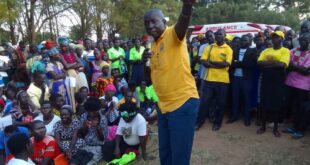
Dr Kizza Besigye has suffered a setback after the High Court in Kampala dismissed his application challenging what he described as interference with his legal representation.

The court rejected Besigye and his co-accused Hajji Obeid Lutale’s argument that their right to a fair trial had been undermined following the deportation of their lead lawyer Martha Karua and the detention of co-counsel Erias Lukwago.
Justice Simon Peter Kinobe ruled that the applicants had not been denied their constitutional right to choose their lawyers.
The judge said the circumstances presented before court did not show that the criminal proceedings had become unfair.
“The Applicants were not deprived of their constitutional right under Article 28(3)(d) of the Constitution,” Justice Kinobe ruled.
The case had attracted public attention because it involved major issues surrounding Besigye’s ongoing treason proceedings.
Besigye’s legal team had argued that the removal of Karua from Uganda and the arrest of Lukwago were part of a wider attempt to weaken his defence.

They told court that the events were not isolated but connected to a deliberate effort to interfere with his right to legal representation.
Karua, a senior Kenyan lawyer, had been representing Besigye before she was denied entry into Uganda at Entebbe International Airport.
According to court documents, Karua was told she could not enter the country because of security concerns and was later returned to Kenya.
The defence argued that her removal affected Besigye’s ability to prepare and present his case effectively.
They also raised concerns over statements allegedly made by Gen Muhoozi Kainerugaba regarding Besigye and Karua’s deportation.
The defence claimed the statements showed interference in the legal process.
However, the State argued that Besigye and Lutale still had access to many lawyers and had not been denied representation.
Senior State Attorney Joseph Kyomuhendo told court that the accused were represented by more than 50 advocates from several law firms.
Justice Kinobe agreed that the accused still had legal representation available to them.
He noted that the trial court had taken steps to allow the defence time to reorganise after changes within the legal team.
The judge said the actions of the court did not show an intention to prevent Besigye from choosing his lawyers.
He explained that although the right to choose a lawyer is protected under the Constitution, it must operate alongside the need for orderly court proceedings.
Justice Kinobe also noted that lawyers can participate in court proceedings through virtual platforms where necessary.
However, he said the availability of virtual hearings does not remove the right of an accused person to choose legal representation.
On Karua’s deportation, the judge said the court was not determining whether immigration authorities acted lawfully.
He stated that the legality of the immigration decision should be challenged through a judicial review process.

The judge said Besigye and Lutale had failed to provide enough evidence proving that Muhoozi directly influenced the immigration decision.
“The burden rested upon the Applicants to establish that the respondents deliberately interfered with or substantially impaired their constitutional right to legal representation,” Justice Kinobe said.
The application was therefore dismissed, although the court declined to award costs because of the importance of the constitutional issues raised.
The ruling gives the government a major legal victory in the dispute surrounding Besigye’s defence team.
However, questions surrounding Martha Karua’s deportation and the wider political disagreements remain unresolved.
The court’s decision was limited to whether Besigye’s fair trial rights had been violated and did not rule on the legality of the immigration action against Karua.