Related Articles
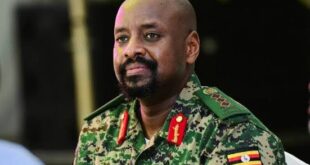
General Muhoozi Kainerugaba has once again spoken openly about his relationship with the Western media, expressing deep frustration and disappointment.
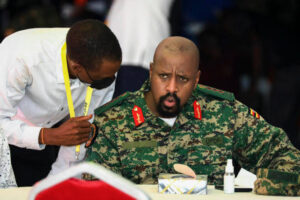
In his latest remarks, he accused many Western media outlets of being unfair and biased in the way they report about him.
According to Muhoozi, this unfair treatment is the main reason he has refused to grant them interviews.
He explained that a lot of the so-called Western media does not report his views accurately. Instead, he believes they rely heavily on local sources that are openly hostile to him.
In his view, this has led to distorted stories that misrepresent his intentions, words, and actions.
Muhoozi argued that journalism should be balanced and fair, regardless of political opinions.
He said that when reporters begin with a negative attitude, their stories are already compromised. This, he believes, has been the case with many Western outlets that write about him.

Because of this experience, he made a conscious decision to turn down interview requests from most Western journalists.
He said he does not see the value in speaking to media houses that have already decided how they want to portray him. For him, granting such interviews would only strengthen biased narratives.
The General emphasized that refusing interviews is not an act of fear or secrecy. Instead, he described it as a form of protest against what he sees as dishonest reporting. He believes that leaders should not be forced to engage with platforms that do not respect truth or balance.
Muhoozi also pointed out that many Western media organizations depend on secondhand information. He claimed they often fail to verify facts directly with him or his office. This, according to him, results in stories filled with assumptions rather than verified facts.
He further argued that Africa and African leaders are often misunderstood by Western journalists. In his view, Western media tends to look at African politics through a narrow and sometimes arrogant lens. This, he said, explains why many African leaders feel misrepresented.
The General made it clear that he is not against the West or Western people. His issue, he said, is specifically with media bias. He stressed that criticism is acceptable, but it must be fair, factual, and balanced.
Muhoozi stated that he is still open to speaking to Western audiences, but only under the right conditions. He said the day he finds a balanced Western media source, he will speak freely and honestly. On that day, he promised, people in Western Europe and America will hear his unfiltered voice.
This statement suggested that Muhoozi feels his true message has never been properly heard in the West. He believes his positions are often simplified or twisted to fit certain narratives. As a result, Western audiences may not fully understand who he is or what he stands for.
Supporters of Muhoozi have echoed his concerns. Many argue that Western media often focuses on controversy while ignoring context. They believe this selective reporting damages reputations and fuels misunderstanding.
Critics, however, argue that refusing interviews limits transparency. They believe engaging with critical media is part of leadership. According to them, avoiding interviews may worsen mistrust rather than solve it.
Despite this criticism, Muhoozi remains firm in his stance. He insists that respect must come before access. In his view, media houses must show fairness before they can expect cooperation.

The General also highlighted the power of direct communication. Through social media, he believes leaders can speak directly to the people without filters. This, he said, allows him to share his views exactly as he intends.
He suggested that traditional media is no longer the only way to reach international audiences. With digital platforms, leaders can bypass biased gatekeepers and communicate on their own terms. This shift, he believes, gives him greater control over his message.
Muhoozi’s comments have reignited debate about media freedom and responsibility. While journalists argue for the right to question power, leaders like Muhoozi demand fairness and accuracy in return.
The situation reflects a wider tension between African leaders and Western media institutions. Many feel that old attitudes still shape reporting, even in a modern world that claims to value equality and diversity.
Muhoozi’s insistence on a “balanced Western source” shows that he has not completely closed the door. Instead, he has set conditions for engagement. This leaves room for future dialogue if trust can be rebuilt.
For now, his message is clear and direct. He will not speak to media outlets he believes are biased against him. He prefers silence over what he sees as misrepresentation.
In the end, Muhoozi’s statement is both a complaint and a challenge. It challenges Western media to reflect on its methods and biases. It also signals that until fairness is guaranteed, his unfiltered voice will remain outside their platforms.