Related Articles
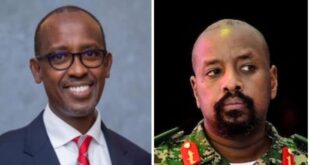
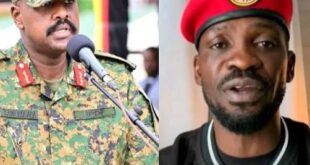
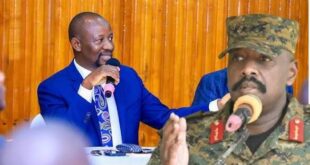
Pastor Robert Kayanja, lead pastor of Miracle Center Cathedral, has publicly condemned the recent raid on the home of opposition leader Robert Kyagulanyi Ssentamu, popularly known as Bobi Wine.
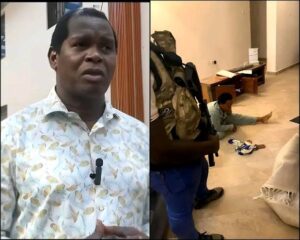
The raid, which occurred at his Magere residence, reportedly involved the assault of Bobi Wine’s wife, Barbra Itungo Kyagulanyi, drawing widespread national and international criticism.
The pastor described the incident as wrong and unacceptable, emphasizing that it tarnishes the reputation of Uganda’s armed forces.
He expressed deep concern over the actions of some individuals within the Uganda People’s Defence Force (UPDF) who carried out the raid.
According to Pastor Kayanja, the violent conduct witnessed during the raid is not reflective of the army’s true values.
He insisted that such actions are damaging and give the institution a negative image both domestically and internationally.
He highlighted that the Magere incident caused embarrassment to Statehouse, signaling that the effects of such actions go beyond the immediate victims.
The pastor said that the assault on an innocent citizen’s home, and particularly on a woman, is unacceptable in any civilized society.

Pastor Kayanja also expressed concern about the psychological impact of the raid on Bobi Wine and his family. He said that witnessing violence in one’s own home can have lasting effects and that the army should act with professionalism at all times.
The pastor’s statement comes amid growing debates on the conduct of security forces in Uganda, especially when dealing with opposition figures. He argued that the army must maintain discipline and respect for human rights, regardless of political affiliation.
He condemned the sharing of photographs related to the assault, which reportedly were sent to the Chief of Defence Forces (CDF). Kayanja described such actions as insensitive and disrespectful to the family involved.
In his address, Pastor Kayanja appealed to military leadership to investigate the matter thoroughly. He urged commanders to hold those responsible accountable for their actions to restore public confidence in the army.
He stated that the actions of a few individuals should not define the entire institution, but noted that such incidents leave a lasting negative impression on the public and international observers.
Pastor Kayanja reminded the public that the army’s role is to protect citizens, not intimidate them. He said that citizens should feel safe in their homes, regardless of political beliefs.
The pastor also called on religious and community leaders to speak out against injustices, emphasizing that silence in the face of wrongdoing only emboldens perpetrators. He encouraged leaders to advocate for peace, justice, and accountability.
He expressed sympathy for Barbra Itungo Kyagulanyi, noting that she was a non-combatant who had no involvement in politics other than being the spouse of an opposition leader. Kayanja condemned the assault on her and called for protection of all civilians.
The incident, he said, reflects poorly on Uganda’s image internationally. Kayanja warned that continued reports of such behavior could harm the country’s reputation and affect diplomatic relations.
He urged the army to ensure that all personnel act professionally, uphold the law, and respect citizens’ rights at all times. Kayanja said that when the military behaves inappropriately, it erodes public trust and creates tension.

Pastor Kayanja also expressed concern about the political climate in Uganda. He said that incidents like the Magere raid exacerbate divisions and threaten national unity. Religious leaders, he stressed, have a responsibility to promote peace and reconciliation.
He condemned the use of military force for what he described as political intimidation. Kayanja warned that such actions could escalate conflict and undermine democratic processes.
The pastor’s statements come at a time when many Ugandans are closely watching the treatment of opposition figures and their families. Kayanja’s voice adds a religious and moral perspective to the national conversation.
He emphasized that the army is a national institution meant to serve all Ugandans, and that individuals acting outside professional boundaries damage the reputation of the entire force.
Pastor Kayanja concluded by calling for accountability and justice for the Magere home incident. He said that restoring trust between citizens and the military requires swift action and sincere reform.
His condemnation has sparked further public debate about the need for professional conduct in security operations and the protection of human rights, highlighting the delicate balance between law enforcement and respect for civilians.
Finally, Pastor Kayanja reminded Ugandans that the principles of justice, compassion, and respect must guide both leaders and institutions. He stressed that upholding these values is essential for a peaceful, united, and democratic Uganda.