Related Articles


General Muhoozi Kainerugaba has once again stirred public discussion after making a statement that surprised many people across Uganda. In his message, he declared that he had already forgiven his “young brother,” Bobi Wine.
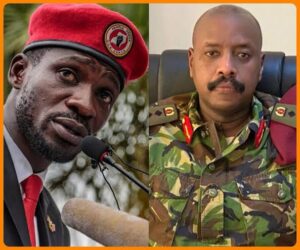
The words immediately drew attention, not only because of who said them, but also because of the history of political tension often associated with the two men.
Muhoozi, a senior military officer and a well-known public figure, has in recent years been vocal about national matters. Bobi Wine, on the other hand, is a leading opposition politician and former musician who has built strong support among the youth. The two men come from very different political paths, which has made their relationship a topic of interest to the public.
By referring to Bobi Wine as his “young brother,” Muhoozi used language that sounded personal rather than political. In African culture, calling someone a brother can signal closeness, shared identity, or a desire for unity. Many Ugandans saw this as an attempt to lower the political temperature and encourage peaceful engagement.
Forgiveness is a powerful word, especially in a country where political disagreements can be intense. Muhoozi’s statement suggested that past misunderstandings or harsh words may no longer matter to him. This tone stood out because political communication is often filled with blame and accusations.
Some observers believe the message was meant to show maturity and leadership. Forgiving someone publicly can be seen as a sign of strength rather than weakness. It sends the message that dialogue and understanding are more important than conflict.
Others viewed the statement as symbolic. Uganda has a young population that often feels deeply connected to political debates.
Hearing leaders speak about forgiveness instead of rivalry may help shape a more peaceful political culture.

The relationship between political leaders influences how supporters behave. When leaders speak with respect, followers may also choose calmer ways to express themselves. Muhoozi’s words could therefore have an impact beyond just the two individuals involved.
At the same time, the statement raised questions. Some people wondered what exactly had been forgiven. Political disagreements in Uganda have included strong criticism, protests, and sharp exchanges of words over the years. The public is often curious about what happens behind the scenes.
Still, the message itself focused more on the future than the past. Forgiveness usually points toward moving forward rather than looking back. It can open the door for cooperation, or at least peaceful coexistence, even when views differ.
In many societies, reconciliation is seen as a key step toward stability. Countries that have gone through periods of tension often rely on dialogue and understanding to build unity. Muhoozi’s statement fits into this wider idea of choosing peace over division.
Bobi Wine has built his political career on speaking about change and the struggles of ordinary citizens. Muhoozi, with his military background, represents a different side of national leadership. Seeing language of brotherhood between such different figures was unexpected for many.
Social media users reacted quickly to the news. Some praised the message, saying it showed hope for a more respectful political environment. Others were more cautious, saying that real change requires actions, not only words.
Public statements by leaders often carry deeper meaning. Even a short message can influence how people think and talk. In this case, the focus on forgiveness gave citizens something positive to reflect on.
Uganda, like many countries, has experienced moments of political tension. Statements that promote unity can help reduce fear and suspicion. They remind people that despite differences, everyone shares the same nation.

Forgiveness also connects to cultural and religious values that many Ugandans hold dear. Most communities teach the importance of letting go of anger and choosing peace. Hearing such language from leaders can strengthen these values in society.
The idea of brotherhood in politics suggests that competition does not have to mean hatred. Leaders can disagree strongly on policies while still respecting each other as fellow citizens. This message may encourage healthier political debate.
It is also possible that the statement was a personal reflection rather than a political strategy. Leaders are human beings with emotions and relationships. Sometimes, public figures choose to speak from the heart.
Whether symbolic or strategic, the declaration has already become part of national conversation. People in markets, offices, and online platforms are discussing what it could mean for the future. Such moments show how powerful words can be.
In the end, forgiveness is only the first step. True reconciliation grows through continued respectful engagement. If the tone set by this message continues, it could help create a more peaceful political atmosphere.
Muhoozi’s declaration that he has forgiven Bobi Wine stands as a reminder that even in politics, humanity matters. Brotherhood, dialogue, and understanding remain important tools for building a stable and united nation.