Related Articles


Political tension in Uganda has intensified after the European Union (EU) raised concern over threats and violence linked to the recent elections, especially remarks directed at opposition leader Robert Kyagulanyi, widely known as Bobi Wine.

The situation has drawn both national and international attention, putting Uganda’s post-election environment under a strong spotlight.
The EU expressed worry about reports of threats against opposition figures and called on Ugandan authorities to ensure the safety of all political actors, regardless of party affiliation. This statement signaled that the international community is closely monitoring developments in the country.
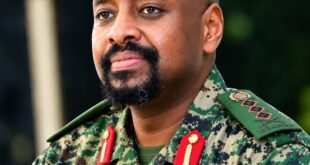
The concern follows controversial claims by General Muhoozi Kainerugaba, who stated that security forces had killed 30 individuals he linked to the National Unity Platform (NUP) and arrested more than 2,000 people after the polls. These statements quickly spread and sparked alarm among opposition supporters and human rights advocates.
Gen. Muhoozi’s remarks were seen as unusually direct and forceful, particularly because they involved numbers of people allegedly killed and detained. Such claims naturally raised questions about the scale of post-election security operations and the conditions under which they were carried out.
Bobi Wine, who challenged the presidential election results, has been at the center of political tensions. His supporters say he has faced consistent threats and restrictions, while the government maintains that its actions are aimed at preserving national security and stability.
The EU’s message urged restraint from all sides, emphasizing the importance of protecting political freedoms. It stressed that democratic processes must allow different voices to compete without fear of violence or intimidation.

The statement also pointed to broader concerns about the political environment during and after the elections. Issues such as arrests of activists, limits on political gatherings, and restrictions on communication were highlighted as areas that need attention.
For many Ugandans, international statements like this carry weight because the EU is one of Uganda’s key development and trade partners. When such partners speak out, it adds pressure for transparency and accountability.
Supporters of the government argue that foreign bodies do not always understand the security challenges Uganda faces. They believe strong measures are sometimes necessary to prevent unrest and maintain order after heated elections.
Opposition voices, however, say security operations should not come at the expense of human rights. They argue that political disagreement should not be treated as criminal behavior.
Gen. Muhoozi later stated that the country was now peaceful and that he would stop posting threatening messages. This shift in tone was noted by many observers, who saw it as an attempt to calm rising tension.
Even so, the earlier claims about killings and mass arrests continue to dominate the discussion. Many citizens want clarity on what exactly happened during the post-election operations.
The situation reflects the deep political divisions in Uganda, where elections are often followed by disputes and competing narratives about what occurred on the ground.

The EU emphasized that it values its relationship with Uganda and is not seeking confrontation. Instead, it called for dialogue, respect for rights, and peaceful political engagement.
International involvement in such matters can be sensitive, as governments often view it as interference. Yet, global partners say they have a responsibility to speak on issues affecting democracy and human rights.
The focus on Bobi Wine’s safety shows how individual political figures can become symbols of wider struggles. His situation has drawn attention beyond Uganda’s borders.
Many analysts believe the way Uganda handles this period will shape its international image. Stability, fairness, and openness can strengthen trust, while conflict and harsh measures may raise concern.
At the heart of the issue is the balance between security and freedom. Governments must maintain order, but citizens expect their rights to be respected even during tense times.
Ordinary Ugandans are mostly concerned about peace and economic stability. Political tension often affects business, investment, and daily life, making calm leadership essential.
In the end, the EU’s statement and Gen. Muhoozi’s remarks have added to an already heated political moment. What happens next will depend on how leaders respond, how tensions are managed, and whether dialogue can replace confrontation in Uganda’s political space.