Related Articles

Uganda has been thrown into shock and deep concern following reports of a violent statement allegedly made by Gen. Muhoozi, targeting supporters of the National Unity Platform, commonly known as NUP foot soldiers. The reported remarks have caused fear, anger, and confusion across the political landscape.
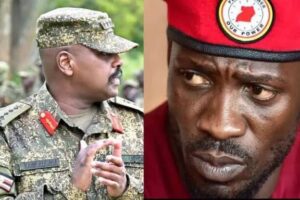
According to the reports circulating widely, the statement suggested extreme action against NUP foot soldiers, who are known as strong and vocal supporters of the opposition party. Many Ugandans have reacted with alarm, saying such words threaten peace and national unity.
NUP foot soldiers are mostly young supporters who mobilize, campaign, and openly defend their party and its leadership. They are often visible during political events, rallies, and online discussions, where they express their views passionately.
The reported remarks have raised serious questions about the safety of opposition supporters. Many citizens fear that such language, if not clarified or corrected, could encourage violence and worsen political tensions.
Human rights activists have strongly condemned the statement, saying that no group of citizens should ever be threatened with death because of their political beliefs. They argue that freedom of political association is a basic right guaranteed by the Constitution.
Legal experts have also weighed in, warning that calls for violence, even when made as political rhetoric, can have dangerous consequences. They say leaders must choose their words carefully because their voices carry great influence.
Within NUP circles, the reaction has been one of fear and anger. Party supporters say they feel targeted simply for supporting a political party of their choice, something they believe should never put their lives at risk.

Party leaders have urged their supporters to remain calm and avoid provocation. They have emphasized that peaceful political engagement is the foundation of democracy and should not be replaced by threats or force.
Religious leaders have also spoken out, calling for restraint and dialogue. They have reminded the nation that violence only leads to suffering and that political differences should be resolved through peaceful means.
Many ordinary Ugandans have taken to social media to express their concern. Some say the statement reflects a dangerous level of intolerance, while others are calling on authorities to clarify the situation and reassure the public.
Security analysts warn that such rhetoric, if left unchecked, can increase fear and mistrust between citizens and state institutions. They say stability depends on protecting all citizens, regardless of their political views.
There have also been calls for an official clarification or denial of the remarks. Ugandans want clear communication to avoid panic and to understand the true position of the leadership.
Opposition supporters argue that words like these deepen divisions in the country. They say Uganda needs healing and unity, not language that paints fellow citizens as enemies.

On the other hand, some supporters of the ruling side claim the remarks have been misunderstood or taken out of context. However, critics insist that any statement suggesting violence is unacceptable, regardless of context.
Civil society organizations are now urging the government to reaffirm its commitment to protecting political freedoms. They say strong institutions, not fear, are what keep a nation together.
The situation has also drawn attention to the broader issue of political intolerance. Many believe that repeated hostile language creates an environment where violence can easily occur.
Uganda’s history shows that political instability comes at a high cost. For this reason, elders and opinion leaders are appealing for wisdom, patience, and responsible leadership.
As tension remains high, many citizens are watching closely to see how leaders will respond. People want assurance that their lives are valued and protected under the law.
The future of Uganda’s democracy depends on peaceful coexistence among different political groups. Threats and fear only weaken the nation’s democratic foundations.
In the end, many Ugandans agree on one thing: political differences should never justify violence. The country now waits for clarity, accountability, and strong messages of peace to guide it away from danger and toward unity.