Related Articles



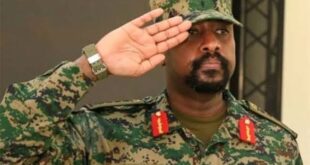
In a disturbing and controversial incident in Kampala, a senior officer of the Uganda People’s Defense Force (UPDF), Major Ema Kuteesa, allegedly gave a shocking and troubling order to a notorious group of criminals known as the Kifeesi gangs.

This meeting, which took place under unclear circumstances, saw the Major directing the gangs to target businesses displaying the national flag. According to sources, Major Kuteesa made it clear that any business that dared to display the Uganda national flag should be robbed, and those found inside should be severely beaten.
The callousness of the order has left many Ugandans in disbelief. The national flag, a symbol of patriotism and unity, is often used by citizens to express pride and allegiance to their country. However, the Major’s actions suggest a disturbing view that patriotism and the symbol of the flag should be policed, and those who use it without “proper permission” could face violence.
The implications of such an order are far-reaching. The idea that displaying the national flag could lead to violence and robbery sends a chilling message to businesses, organizations, and citizens who view the flag as a symbol of pride. This directive, if true, would be a gross violation of human rights and could spark widespread fear among the Ugandan public.
In the meeting, Major Kuteesa is said to have emphasized the importance of keeping the flag under strict control, with the rationale that unauthorized usage of the flag without “security clearance” would be considered a criminal offense. His words were clear: the flag is a symbol of the government and military, and only those with permission from security officials should be allowed to display it.
For many Ugandans, this is an alarming overreach of power. The national flag represents the unity and freedom of the Ugandan people, and any attempts to control or restrict its display could erode public trust in the authorities. In a country where the flag is seen as a symbol of the country’s independence and sovereignty, Major Kuteesa’s actions are perceived as a direct attack on the spirit of the nation.
The Kifeesi gangs, which have been notorious for their involvement in violent activities across the capital, Kampala, were reportedly hired by the Major to enforce this directive. The gangs, known for terrorizing citizens, are now being urged to use force and brutality to ensure that businesses displaying the flag are dealt with accordingly.
As disturbing as this incident is, it raises questions about the misuse of power within the military. Major Kuteesa, being a senior officer in the UPDF, holds a position of great influence. Such a directive, if confirmed, reflects a severe abuse of authority, as it encourages violence and theft, which goes against the very principles of the military’s purpose in protecting Ugandan citizens.

Many Ugandans are left wondering how such orders could be given by a man in uniform, entrusted with upholding the law and order in the country. Some are questioning whether this is an isolated incident or part of a larger pattern of authoritarian behavior within the military ranks. This situation has sparked debates across social media, with citizens expressing outrage and calling for accountability.
Several human rights organizations have condemned the Major’s alleged orders, urging the government to investigate the matter thoroughly. If these allegations are true, they argue, Major Kuteesa should face severe consequences for his actions. It is essential that those in positions of power are held accountable for using their authority to instill fear and violence in the very people they are supposed to protect.
Moreover, this incident shines a light on the broader issue of lawlessness in Uganda’s capital. Kampala, known for its chaotic and sometimes lawless streets, has become a hotbed for criminal activity. In a country where criminal gangs often operate with impunity, the government’s failure to crack down on such organizations has left many citizens vulnerable to exploitation and violence.
The role of the UPDF in this scandal also raises concerns about the military’s relationship with the civilian population. While the military is meant to serve and protect, incidents like this cast doubt on their ability to act as a force for good. If soldiers are able to give such reckless and illegal orders without facing punishment, it undermines public trust in the institution.
Some Ugandans have even expressed fear that the incident could escalate into further violence, with gangs emboldened by the military’s backing. If the government does not act quickly, this could lead to an increase in lawlessness, making it even more dangerous for citizens to go about their daily lives.
As the story continues to unfold, many are calling for the government to take immediate action. There have been calls for the immediate dismissal of Major Kuteesa, as well as investigations into the possible involvement of other members of the military or political elite. The public is demanding accountability, and the government must act to restore faith in the military and its role in protecting Ugandans.
For many, this incident serves as a painful reminder of the potential for power to corrupt and the importance of holding those in positions of authority accountable. The national flag, once a source of pride and unity, has now become the center of a controversy that threatens to deepen the divide between the people and the government.
The Ugandan government has not yet made an official statement regarding the incident, but it is clear that the issue cannot be ignored. The truth must come to light, and those responsible for inciting violence and fear must be brought to justice. This is not just a matter of protecting the dignity of the national flag, but of ensuring that the citizens of Uganda are treated with respect, safety, and fairness.
In the meantime, Ugandans are left grappling with the fallout from this disturbing event. As the country prepares for future elections and seeks to promote unity and peace, incidents like these remind the people of the importance of safeguarding their rights and freedom. It is essential that all Ugandans, regardless of their political affiliation, work together to ensure that their voices are heard and that such abuses of power never happen again.

As the story spreads across the nation, citizens are now questioning the broader implications of this alleged directive. Many are wondering how deeply the influence of the military runs within civilian spaces, especially businesses.
The fact that a senior officer like Major Kuteesa feels empowered enough to give such orders suggests a breakdown in the separation between military and civilian life. If this is allowed to continue unchecked, it could set a dangerous precedent where military figures and armed groups dictate how the population should behave, even in areas that should be free from such control.
The incident also raises concerns about the safety of individuals who may unwittingly display the national flag for reasons unrelated to politics or security. Many businesses and citizens proudly fly the flag as a sign of patriotism, especially during national holidays, public events, or as a symbol of national pride. Under the Major’s order, however, they could now find themselves under attack. This presents a real risk to both the physical safety of citizens and the freedoms they enjoy as Ugandans.
The role of security forces, like the police, is also in question here. Many Ugandans are asking why no intervention occurred when these orders were allegedly given. If the Kifeesi gangs can operate with such impunity and with the apparent backing of a senior officer, it speaks volumes about the inefficacy of law enforcement in the capital.
The police should be the first line of defense for the people against such violence, yet in this case, their absence suggests a lack of will or capacity to protect citizens from abuses of power.
Furthermore, this incident may also have far-reaching consequences for Uganda’s international reputation. In a time when the country is working to attract investment, build relationships with other nations, and foster an image of political stability, incidents like this undermine those efforts.
Potential investors, foreign dignitaries, and international organizations will likely take note of these events, which could affect Uganda’s image on the global stage. As the world watches, it is essential that the government acts swiftly to prevent further erosion of public trust and ensure that such abuses of power do not define Uganda’s future.