Related Articles

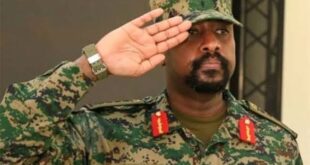
As Uganda gears up for the 2026 general elections, the Uganda People’s Defence Forces (UPDF) has issued a strong and unequivocal warning: there will be zero tolerance for any form of violence or disruption. This tough stance was emphasized by the Chief of Defence Forces (CDF), Gen. Muhoozi Kainerugaba, who assured the public that security agencies will not hesitate to take action against anyone attempting to interfere with the election process.
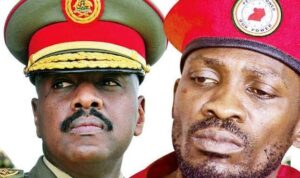
In a statement addressing the nation, Gen. Muhoozi made it clear that the UPDF is fully committed to ensuring that the election process is peaceful, transparent, and free from any disturbances. He explained that the military will be fully involved in maintaining law and order during all stages of the election, including voting, counting, and tallying. The general also assured the public that all processes will be carried out under full scrutiny, ensuring transparency.
According to Gen. Muhoozi, the UPDF has already begun making preparations to guarantee the safety of the entire electoral process. The army is set to deploy personnel across the country, particularly around polling stations, to provide security and deter any acts of violence.
“We are not going to allow any illegal gatherings or any form of intimidation during the election period,” he said. The message was clear: those who seek to disrupt the democratic process will face severe consequences.
The army’s role in the 2026 elections will go beyond mere security. Gen. Muhoozi emphasized that the UPDF will play an active role in ensuring that the counting and tallying of votes is transparent. He further clarified that the entire process will be conducted in full view of all election stakeholders, including local and international observers, media personnel, and representatives from various political parties. This transparency, he assured, will leave no room for doubt or manipulation.
One of the key aspects of the 2026 election plan is the presence of polling agents for every candidate. These agents, representing both presidential and parliamentary candidates, will have the right to monitor the voting process closely. This will include overseeing the counting of votes and the tallying of results in real time. Gen. Muhoozi made it clear that no form of electoral fraud will be tolerated, and all processes will be conducted fairly.
Election observers, both local and international, will also play a significant role in the 2026 elections. Gen. Muhoozi highlighted that their presence will help ensure that the process remains fair and credible. He reassured Ugandans that there will be no room for anyone to manipulate the electoral process. The media will also have a vital role to play, ensuring that the public is kept informed about every stage of the elections.
The CDF made it abundantly clear that security forces will not hesitate to take immediate action against any groups or individuals who attempt to disrupt the electoral process. He warned that any unlawful gatherings around polling stations, aimed at causing chaos or intimidating voters, would be dealt with swiftly and decisively.

“We will not tolerate any form of violence or intimidation,” Gen. Muhoozi reiterated, stressing that Uganda’s democracy must be protected at all costs. He reminded the public that every citizen has a right to cast their vote in a peaceful environment, free from fear or coercion.
To further bolster the credibility of the elections, the UPDF will work closely with various government agencies and stakeholders to ensure the protection of election materials and personnel. Gen. Muhoozi pointed out that security forces will also be responsible for the safe transport of ballots and other election-related materials, preventing any chance of tampering or theft.
The transparency in the electoral process, he said, will be further reinforced by the use of technology. Gen. Muhoozi confirmed that modern tools will be deployed to ensure the accuracy and integrity of the vote counting and tallying process. Voters will be able to track the progress of the election, and any issues can be flagged in real time.
Gen. Muhoozi also addressed concerns regarding possible unrest or violence before or after the elections. He assured the public that security forces will be on high alert, not only during the election day but also in the days leading up to and following the elections. The army will be prepared to respond to any situation that could jeopardize the peace and security of the country.
While acknowledging the importance of free and fair elections, Gen. Muhoozi emphasized that peace and security should always come first. “We cannot allow anyone to jeopardize the future of Uganda through violence,” he said, asserting that the army’s primary responsibility is to maintain peace and order, regardless of political affiliations.
He also appealed to all political leaders and parties to conduct their campaigns in a manner that promotes peace and unity. The CDF expressed hope that all players in the electoral process would put the country’s stability above personal or party interests.
Gen. Muhoozi’s statement was welcomed by many citizens who are eager to see a smooth electoral process in 2026. However, some opposition parties have expressed concern about the army’s role in elections, fearing that the military’s involvement could be used to intimidate voters and suppress opposition. Gen. Muhoozi responded to these concerns by assuring the public that the UPDF’s actions would be entirely focused on maintaining peace and fairness, not on meddling with the democratic process.

The announcement has already sparked discussions among political commentators and civil society groups. Some believe that the military’s involvement is necessary to ensure the elections are free from violence, while others worry about the potential for abuse of power. However, most Ugandans seem to agree that the priority should be ensuring that every citizen’s vote is protected and that the election results reflect the will of the people.
As we approach the election year, there is a growing sense of anticipation across Uganda. Citizens are increasingly engaged in discussions about the future of the country, and many are hopeful that the 2026 elections will mark a turning point in the nation’s democratic journey. With the UPDF on high alert, the hope is that Uganda will set an example for the region by holding peaceful and transparent elections.
Gen. Muhoozi’s statements serve as both a warning and a reassurance. While emphasizing the army’s readiness to deal with any disruptions, he also stressed the importance of transparency and fairness throughout the entire election process. Uganda’s security forces are committed to ensuring that the 2026 general elections are a success and that the voice of the people is heard without any fear or violence.
The 2026 elections will also serve as a crucial test for Uganda’s democratic institutions, and Gen. Muhoozi’s commitment to a peaceful process underscores the importance of upholding the integrity of the electoral system. As the country prepares for this landmark event, the role of security agencies goes beyond merely maintaining order—it extends to fostering public confidence in the electoral process. By ensuring that all stakeholders, including voters, candidates, and observers, can participate freely and without intimidation, Uganda hopes to reinforce its position as a model of stability in the region.
Furthermore, the collaboration between the military, police, and civil society organizations will be essential in safeguarding the legitimacy of the elections. Gen. Muhoozi has expressed a desire for all actors in the political process to contribute to a peaceful environment, calling for restraint, responsibility, and respect for democratic principles. He noted that the UPDF’s involvement is aimed at preventing violence and not at silencing dissenting voices, reaffirming that all Ugandans have the right to peacefully express their political views.
Finally, as Uganda moves toward the 2026 general elections, the message from Gen. Muhoozi Kainerugaba is clear: the army will take all necessary steps to preserve the peace, uphold the rule of law, and ensure that every citizen’s vote is counted.
In the coming months, political leaders, civil society, and security agencies must work together to create an environment of trust and cooperation. The successful implementation of this vision will not only strengthen Uganda’s democracy but also contribute to the long-term peace and prosperity of the nation.