Related Articles


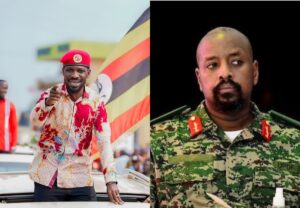
Ugandan opposition leader Robert Kyagulanyi, popularly known as Bobi Wine, has made fresh and serious allegations against Gen. Muhoozi following what he describes as a targeted military raid on his home. His statement has added a new layer of tension to Uganda’s already heated political environment.
In his message, Bobi Wine claimed that the military operation was ordered with the intention of harming him. He said the raid was not accidental or routine, but carefully planned to intimidate and possibly eliminate him.
Bobi Wine stated that despite the alleged plan, he managed to escape. He described his escape as outsmarting those who were after him, saying he “beat them at their own game.”
According to him, after his escape, there were attempts to downplay the incident. He accused Gen. Muhoozi of claiming publicly that no one was looking for him, which he says was meant to cover up embarrassment.
Bobi Wine argued that later actions and statements contradicted those claims. He said panic and fear have now exposed what he described as a wicked plot against his life.
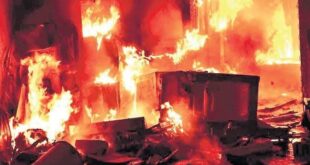
He insisted that the military raid on his house was clear evidence that he was being targeted. In his view, the heavy presence of armed forces at his home was not meant to protect but to threaten.
The opposition leader said he has chosen to remain out of sight for now. He explained that this decision is about personal safety and strategy, not fear or retreat from politics.

Bobi Wine emphasized that he will resurface when he personally decides the time is right. He said he will not be forced out by intimidation or threats.
In a defiant tone, he said that when he reappears, Gen. Muhoozi and President Museveni can do whatever they want to him. However, he stressed that intimidation will not change the course of history.
He warned that actions taken against Ugandans, especially those involving violence or abuse of power, will eventually have consequences. According to him, no one can escape accountability forever.
Bobi Wine framed his message as a broader fight for the country, not just a personal struggle. He said Uganda belongs to its people, not to a few individuals in power.
Supporters of the opposition have reacted strongly to his statement. Many see his words as a sign of bravery and resistance against what they believe is state intimidation.
Others, however, have expressed concern for his safety. They fear that such public accusations could increase the risk to his life and the lives of those around him.
Human rights activists say the allegations are serious and deserve independent investigation. They argue that any claims of politically motivated military raids should not be ignored.

Legal experts also note that the use of armed forces in political matters raises constitutional and legal questions. They stress the importance of civilian protection and rule of law.
On social media, the statement has triggered intense debate. Some Ugandans support Bobi Wine’s claims, while others urge caution and call for verified facts.
The government and military had not issued a detailed public response to these specific accusations at the time of the statement. This silence has fueled speculation and uncertainty.
Political analysts say such exchanges reflect deep mistrust between the opposition and the state. They warn that continued escalation could destabilize the political climate.
Religious and community leaders have called for calm. They urge all sides to avoid violence and resolve disputes through dialogue and lawful processes.
For many citizens, the situation highlights ongoing concerns about political freedom and personal safety in Uganda. People are watching closely to see what happens next.
As tensions remain high, Bobi Wine’s message has made one thing clear: the struggle for power, accountability, and national identity in Uganda is far from over, and its outcome will shape the country’s future.