Related Articles

Archbishop of the Church of Uganda, The Most Rev. Dr. Stephen Kazimba Mugalu, has spoken out following the announcement of the presidential election results, calling on Ugandans to remain calm and peaceful.
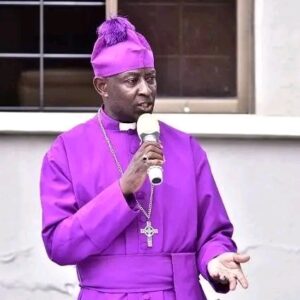
His message was mainly directed at supporters of the National Unity Platform (NUP), whom he urged not to protest the outcome of the elections. He reminded the nation that while elections are important, human life is far more valuable than political victory or defeat.
In his statement, Archbishop Kazimba emphasized that defeat in an election should never be seen as the end of the world. He explained that politics is a journey with many seasons, including both winning and losing. According to him, losing an election does not mean the end of hope, dreams, or the future of any political group or individual.
The Archbishop expressed deep concern about the history of violence that sometimes follows elections in Uganda. He noted that protests often lead to loss of life, destruction of property, and long-term pain for families. He stressed that no election result is worth the blood of innocent Ugandans, especially the youth who are often at the center of political demonstrations.
Kazimba Mugalu reminded Ugandans that elections come and go, but life must continue. Families still need their loved ones, children still need parents, and communities still need peace to grow. He encouraged people to think beyond the moment and consider the long-term effects of their actions.
Addressing NUP supporters directly, the Archbishop urged them to exercise patience and wisdom. He acknowledged that disappointment and pain are natural emotions after losing an election. However, he advised that these feelings should not turn into anger or violence, as this only creates more suffering.
He also pointed out that Uganda has constitutional and legal channels through which election grievances can be addressed. Instead of taking to the streets, he encouraged political leaders and their supporters to follow lawful processes to express their concerns. According to him, dialogue and justice should always be pursued peacefully.
Archbishop Kazimba highlighted the importance of unity in a diverse nation like Uganda. He said that political differences should not divide Ugandans to the point of seeing each other as enemies. He reminded the public that, at the end of the day, all citizens share the same country and future.

The Archbishop further called on political leaders to take responsibility for their supporters. He urged them to use their voices to promote peace rather than violence. He noted that leaders have great influence, and their words can either calm or inflame the situation.
In his message, Kazimba Mugalu spoke strongly about the value of life. He said no parent should bury a child because of an election protest, and no child should grow up without parents due to political violence. He described life as a sacred gift that must be protected at all costs.
He also encouraged Ugandans to learn from past elections. According to him, history has shown that violence does not solve political problems. Instead, it leaves scars that take many years to heal, both emotionally and economically.
The Archbishop reminded NUP supporters that politics is a long-term struggle. He said that even if victory was not achieved this time, there is always another opportunity in the future. He clearly stated that trying again in 2031 is a better and safer option than resorting to protests.
Kazimba Mugalu encouraged young people, who form a large part of NUP’s support base, to focus on building their future. He advised them to invest their energy in education, skills, and community development instead of risking their lives in street protests.
He also appealed to security agencies to act with restraint and respect for human rights. While calling for law and order, he stressed that peace can only be maintained when all sides act responsibly and with respect for life.

The Archbishop’s message was not only religious but also deeply human. He spoke as a father, pastor, and national leader who desires peace and stability for Uganda. His words were meant to comfort the disappointed and guide the angry toward calm reflection.
Religious leaders across the country have often played a key role during tense political moments. Kazimba Mugalu’s call fits into a broader message of peace that churches and faith leaders continue to preach during elections.
He reminded Ugandans that democracy is built over time and requires patience. According to him, strong institutions are developed through peaceful participation, not violence and chaos.
The Archbishop also urged citizens to respect differing political opinions. He said that supporting different parties should not turn Ugandans into enemies. Instead, diversity of thought should strengthen democracy.
Kazimba Mugalu concluded by asking Ugandans to pray for the nation. He encouraged people to pray for leaders, opposition members, and the country as a whole. He said prayer helps heal hearts and guide the nation toward peace.
He reaffirmed that defeat today does not mean permanent failure. With discipline, planning, and unity, political groups can reorganize and return stronger in the future.
In the end, Archbishop Kazimba Mugalu’s message was clear and firm: peace must come first. Elections are temporary, but life is permanent. Uganda’s future, he said, depends on choosing calm over chaos and hope over anger.