In a passionate address to the people of Mukono, Speaker of Parliament, Hon. Anita Among, has accused opposition leaders of hypocrisy, claiming that while they publicly criticize the ruling party, they secretly benefit from the government’s support. Among’s comments come as the political atmosphere in Uganda grows more tense ahead of the upcoming 2026 elections. As one of the country’s most powerful political figures, Among did not mince her words when addressing the challenges faced by the opposition.
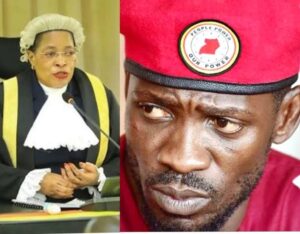
She began by expressing her deep gratitude to President Museveni, describing him as “not just a leader but a father of the nation,” praising his efforts in promoting the welfare of Ugandans, particularly women. According to Among, Museveni’s leadership has been instrumental in improving the lives of many citizens, and she urged the public to acknowledge his contributions as they prepare for the elections. Her words were not only a statement of support but also an appeal for the nation’s prayers for the President’s continued success.
Among, however, did not stop there. She also took a strong stance against what she perceived as misleading narratives being pushed by opposition politicians. The Speaker pointed out that many of these leaders, while openly condemning the NRM (National Resistance Movement), benefit directly from its policies. “Opposition leaders should not lie to voters that they don’t benefit from the NRM,” Among declared, calling out those who publicly demonize the government while quietly accepting its support.
The accusations made by Among are not new, but the Speaker’s candid remarks have sparked renewed debates about the relationship between opposition leaders and the ruling party. Many Ugandans have long speculated that opposition members, despite their public opposition to the NRM, often work behind the scenes with the government, using its resources to further their political agendas.
“Why should they lie to their voters and deceive the public?” Among asked, echoing the frustration felt by many in the ruling party. “We work with them and share what little we have, but when they return to the public, they demonize the ruling party for their own selfish interests.” This is a sentiment that resonates with many within the NRM, who feel betrayed by the opposition’s tactics.
Among’s remarks come at a time when the opposition is preparing for a series of upcoming elections. The political landscape in Uganda has always been highly polarized, and many feel that the current government is not being given the credit it deserves for its development efforts. Among’s call for honesty among opposition leaders is seen as an attempt to set the record straight and remind the public of the NRM’s role in Uganda’s growth.
One of the key points raised by Among was the idea that opposition leaders often benefit from the very resources they criticize. This includes financial support, infrastructure development, and even personal security, which are all funded by the government. According to Among, this support is often ignored when opposition members speak to their constituents, who are led to believe that the NRM is not doing enough for the country.
The Speaker further highlighted that such behavior is not only dishonest but also undermines the trust between leaders and the people they serve. “As leaders, we must be accountable to the people,” Among stressed, urging both government and opposition to be transparent in their actions. She emphasized that Uganda’s future depends on collaboration, not division, and that all political players should work toward the common good of the nation.

Among also drew attention to the way opposition leaders use public criticism to rally their supporters, despite benefiting from the government’s initiatives. She pointed out that the NRM has always been open about its policies, and it is unfair for opposition figures to claim credit for things they had no part in. “If you benefit from our resources, you should not turn around and use those same resources to attack us,” Among said.
As the 2026 general elections draw closer, political tensions are expected to rise. The NRM is gearing up for a tough campaign season, with key figures like Among leading the charge to ensure that the party retains its hold on power. The Speaker’s remarks serve as a rallying cry for those who support Museveni’s leadership, urging them to stand firm in the face of what they see as unfair criticism from the opposition.
The timing of Among’s speech is significant, as Uganda’s voters prepare to choose their next leaders. While many opposition leaders have criticized the current government for various reasons, Among’s statement seeks to shift the narrative and remind the public of the NRM’s efforts. Her support for Museveni is unwavering, and she has made it clear that she believes the President is the best candidate to lead the country forward.
Despite her clear loyalty to Museveni, Among’s criticisms of the opposition are rooted in what she sees as the failure of the opposition to engage in honest politics. “We cannot move forward as a nation if we allow dishonesty to thrive,” she asserted, calling for a change in the way politics is conducted in Uganda. Her message to the opposition was clear: stop deceiving the public and start acting in the nation’s best interests.
Among’s statement also reflects the growing frustration within the NRM about what is perceived as a lack of appreciation for the government’s efforts. Many members of the ruling party feel that their work is often overshadowed by the opposition’s negative portrayal of the government, despite the fact that Uganda has made significant strides in areas like infrastructure development, education, and healthcare.
As the political landscape shifts, Ugandans are left wondering how these tensions will play out in the lead-up to the 2026 elections. Will the opposition heed Among’s call for honesty, or will they continue with their strategy of criticism and condemnation? The answers to these questions may well shape the future of Uganda’s political environment.

Among concluded her address by urging the residents of Mukono and all Ugandans to vote for President Museveni in the upcoming elections. She expressed confidence that Museveni’s leadership was the key to Uganda’s continued progress. “Museveni has shown time and again that he is the best leader for Uganda,” she said, reinforcing her position as a strong supporter of the President.
While Among’s remarks have sparked controversy, they also provide a glimpse into the ongoing battle for Uganda’s political soul. As the elections approach, it is clear that the struggle between the ruling party and the opposition will intensify. Whether or not the opposition will take Among’s words to heart remains to be seen, but her message is clear: Uganda’s future depends on truth, transparency, and unity.
In addition to her strong remarks about the opposition, Among also touched on the importance of unity in Uganda’s political future. She noted that the country’s development over the past few decades has largely been driven by a spirit of cooperation, both within the government and between political actors.
While acknowledging that political differences are inevitable, she stressed that these differences should not hinder progress. “Uganda is too important for us to allow division to tear us apart,” Among emphasized, calling for a more collaborative approach to governance, even in times of political rivalry.
Among also took the opportunity to remind the public of the significant strides Uganda has made under President Museveni’s leadership. She highlighted the infrastructure projects that have transformed rural and urban areas alike, as well as the progress made in education and healthcare. “Under President Museveni, Uganda has moved from a country of uncertainty to one of growth and opportunity,” she said. For Among, the evidence of this progress was irrefutable, and she urged voters to look at the tangible changes before casting their ballots.
The Speaker’s speech also revealed the frustration felt by many within the NRM about the continued criticisms from the opposition, especially given the level of government support that has been extended to them. Among argued that opposition leaders must acknowledge the contributions of the ruling party rather than using their platforms to spread negative rhetoric. “We are not perfect, but we have worked tirelessly for the betterment of this country, and it is time the opposition recognized that,” she said. In her view, a more respectful political discourse is crucial to ensuring the nation’s stability.
As the election season ramps up, the battle for the hearts and minds of Ugandans will undoubtedly intensify. While Among’s comments may alienate some opposition supporters, they also serve as a reminder of the deep ideological divide that exists in Uganda’s political landscape. The coming months will test the strength of political alliances, and whether Among’s call for honesty and unity will resonate with the electorate remains to be seen. Regardless of the outcome, it is clear that Uganda’s political journey will continue to be shaped by both internal debates and the external forces that influence its future.
