Related Articles

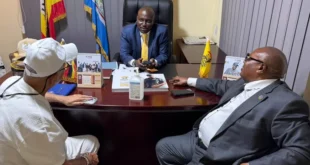

Chris Baryomunsi has spoken openly about his position in government, saying he fully understands that being a minister is not permanent.

He noted that many ministers have served before him and eventually left office, and he knows his time will also come. His remarks reflect a calm and reflective tone amid growing political tension.
Baryomunsi made it clear that he does not see public office as something to cling to at all costs. Instead, he described leadership as a temporary responsibility given by the President and the people. According to him, leaving office when the time comes is a normal part of political life.
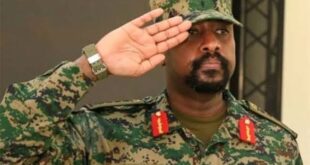
His comments come after a heated public exchange on X on the night of February 3, 2026. During that exchange, Gen Muhoozi Kainerugaba, who also serves as the Senior Presidential Advisor on Special Operations, strongly criticized Baryomunsi. The general referred to him as a “traitor” and openly stated that he would not return to Cabinet.
The remarks quickly attracted public attention, with many Ugandans debating the tone and meaning of the exchange. Some viewed it as a personal attack, while others saw it as part of broader political disagreements within government circles. The discussion spread rapidly across social media platforms.
In response to the criticism, Baryomunsi defended his political journey and personal achievements. He said he rose from “obscurity” through hard work and ability, not because of favors or connections. He emphasized that his progress in politics was earned, not given.
Baryomunsi also stressed that holding a ministerial position is not the ultimate measure of success. He said leadership should be judged by impact, integrity, and service to the people, not by titles. According to him, one can still be relevant and respected even without a government post.

The disagreement between the two leaders is linked to earlier remarks made by Baryomunsi regarding the role of the Chief of Defence Forces (CDF). He stated that the CDF does not speak on behalf of the government. These comments sparked controversy and were interpreted by some as a challenge to authority.
Baryomunsi clarified that his statement was based on constitutional roles and not personal attacks. He said his intention was to explain how government communication works, not to undermine anyone. However, the statement appeared to anger some senior figures.
Supporters of Baryomunsi argue that his comments were reasonable and grounded in law. They say public officials should respect institutional boundaries to avoid confusion. To them, his remarks were about order and governance, not rebellion.
On the other hand, critics believe his words were poorly timed and unnecessary. They argue that such statements can create tension within government and send mixed messages to the public. This divide has fueled ongoing debate.
Despite the tension, Baryomunsi has maintained a composed and respectful tone. He avoided personal insults and instead focused on his beliefs and values. His message centered on humility and acceptance of political reality.
He also reminded the public that politics is unpredictable. Today’s powerful leader can be tomorrow’s private citizen, and that reality should encourage leaders to serve with honesty. According to him, power should never be taken for granted.
Baryomunsi’s remarks have been seen by some as a sign of maturity. By acknowledging that his time in office will end, he presented himself as a leader who understands change. This approach has earned him sympathy from sections of the public.
Others view his comments as a quiet response to pressure. Rather than escalating the conflict, he chose to downplay the importance of the ministerial title. This strategy appears aimed at reducing tension.

Political analysts say the exchange highlights deeper issues within Uganda’s political system. Power dynamics, communication, and loyalty continue to shape relationships at the top. Such disagreements often reflect wider struggles behind the scenes.
The public nature of the dispute has also raised questions about discipline and unity within government. Many citizens expect leaders to resolve differences privately. Open confrontations can weaken public confidence.
Still, some argue that open debate is healthy in a democracy. They say leaders should be free to express differing views without fear. From this angle, the disagreement is a sign of political openness.
As of now, Baryomunsi has not indicated any intention to resign. He continues to perform his duties while accepting that change may come at any time. His message suggests readiness for any outcome.
He reiterated that life after being a minister exists and can still be meaningful. According to him, personal worth should not be tied to office. Service to the nation can take many forms.
The situation remains closely watched by the public and political observers. Many are waiting to see whether the dispute will escalate or cool down. For now, Baryomunsi’s words stand as a reminder of the temporary nature of power.
In the end, his statement reflects a broader lesson in politics: positions come and go, but character remains. Whether in or out of office, Baryomunsi insists that dignity, ability, and service matter more than titles.