Related Articles

Uganda has been thrust into another political storm following revelations from Winnie Byanyima, wife of detained opposition leader Dr. Kizza Besigye. In a hard-hitting statement, Byanyima shared her concerns about her husband’s health and the circumstances surrounding his imprisonment.
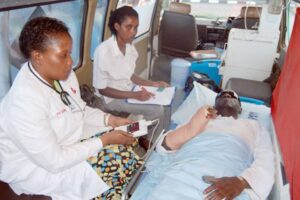
According to Byanyima, Dr. Besigye has fallen seriously ill while in detention. She described the situation as a deliberate attempt to intimidate and silence him, alleging that he has been denied proper medical attention and access to his doctor. Negotiations are reportedly required just for his physician to see him.
Byanyima claims that Dr. Besigye is being guarded not by ordinary prison officers but by military intelligence personnel. She raises concerns that this indicates a high level of political control and surveillance over his detention.
The opposition leader’s imprisonment, Byanyima argues, is part of a broader political plot designed to weaken resistance against President Yoweri Museveni and his administration. She alleges that Museveni is using state machinery, including the military and the justice system, to maintain a long-term grip on power.
Byanyima warns Ugandans that the country is entering a dangerous period marked by abductions, enforced disappearances, torture, and the systematic criminalization of opposition leaders. Her address is both a personal and political plea for vigilance.
She emphasizes that her decision to speak publicly is motivated by both love for her husband and self-preservation. By making the situation visible, she believes she is providing a layer of protection for both herself and Dr. Besigye.
Beyond the immediate concerns for her husband’s safety, Byanyima reflects on the broader political landscape in Uganda.
She describes a nation where democratic freedoms have been systematically eroded, and where opposition leaders face continuous harassment.

The recent elections, she argues, were marked not by celebration but by fear and intimidation. According to her, the electoral process failed to reflect the will of the people, leaving many Ugandans frustrated and fearful of political engagement.
Byanyima paints a picture of a country trapped under decades of authoritarian rule, where dissent is dangerous and speaking out carries significant personal risk. Her address is both an indictment of the current system and a call for resistance through visibility and advocacy.
Dr. Kizza Besigye has been a central figure in Ugandan opposition politics for years, known for his courage in challenging long-standing government policies. His detention has sent shockwaves across political circles and civil society.
Supporters of Besigye argue that the imprisonment is politically motivated and violates fundamental human rights. They have called for immediate attention from both Ugandans and the international community.
Byanyima’s revelations about her husband’s health have heightened public concern. Citizens fear that continued neglect or mistreatment in detention could have severe consequences for the opposition leader’s life.
The international community is being urged to intervene, with Byanyima insisting that silence and inaction will only enable further abuse. She calls on human rights organizations and foreign governments to monitor the situation closely.
She also highlights the personal cost of political engagement in Uganda. Byanyima notes that speaking out comes with its own risks, including threats to her personal safety and freedom.

Despite these risks, she insists that visibility is her best tool for protection. By publicly detailing her husband’s condition and the nature of his imprisonment, she hopes to prevent further abuses and ensure accountability.
The statement has resonated widely, prompting discussions about the intersection of health, justice, and political oppression. Many Ugandans are questioning how long political prisoners can be held under such conditions without proper medical care.
Byanyima’s address also draws attention to the role of military influence in political life. She claims that excessive military involvement in civilian affairs undermines democracy and increases the vulnerability of opposition figures.
Political analysts warn that continued detention of high-profile opposition leaders could further polarize the nation and erode trust in governmental institutions. They stress the importance of adhering to legal standards and human rights obligations.
For many Ugandans, the story is a reminder of the ongoing struggle for political freedom and the risks faced by those who challenge entrenched power. Besigye’s detention is now a symbol of broader issues affecting the country’s democratic future.
In conclusion, Byanyima’s revelations serve as both a personal plea and a political statement. They underscore the need for urgent attention to Dr. Besigye’s health, the protection of political rights, and the restoration of democratic norms in Uganda. Citizens and the international community alike are being called upon to watch closely and act responsibly.
The coming days will determine whether the concerns raised by Winnie Byanyima can prompt meaningful action or whether the situation will continue to deteriorate, highlighting the fragile state of democracy in Uganda.
