Related Articles



On January 3, 2025, US President Donald Trump caused a stir with sharp comments directed at Colombian President Gustavo Petro, warning him to stay alert amid growing tensions between the two nations. The remarks, centered on the issue of drug trafficking, came as part of an escalating diplomatic dispute between the United States and Colombia. At the heart of the tension is the longstanding problem of cocaine production in Colombia, a country that has been a primary source of the illegal drug flooding into the United States.
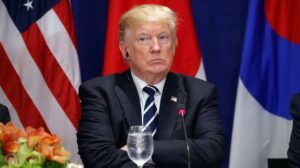
In his characteristic blunt manner, Trump criticized the Colombian administration for its role in facilitating cocaine production and trafficking. “He’s producing cocaine. They are exporting it to the United States,” Trump said, targeting President Petro’s leadership directly. The remarks marked a significant shift in US-Colombia relations, which had previously been marked by cooperation in the fight against narcotics trafficking.
Despite decades of collaboration with the US in anti-drug initiatives, Colombia has remained one of the world’s top producers of cocaine. This has led to mounting frustration in Washington, where drug overdose deaths have reached record levels. In a pointed warning, Trump added that President Petro should “watch his ass,” an explicit reference to the tense diplomatic standoff between the two leaders. The statement signals a possible change in US policy toward Colombia, moving from diplomatic discussions to a more confrontational approach.
Trump’s comments come as part of his administration’s broader strategy to combat drug trafficking that is wreaking havoc on American communities. The President’s harsh rhetoric underscores the gravity of the drug crisis in the United States, where synthetic opioids and cocaine have contributed to thousands of deaths. While Colombia has traditionally worked with US law enforcement to tackle cartel operations, the persistent issue of cocaine production has yet to be fully addressed.
Before assuming the presidency, Gustavo Petro had voiced his intention to overhaul Colombia’s drug policies. Petro’s administration has shown interest in shifting away from the traditional “war on drugs” model, favoring alternative approaches such as crop substitution programs and economic development initiatives. These strategies aim to offer Colombian farmers legitimate alternatives to coca cultivation, which has been a significant source of income in rural areas.
However, Petro’s policies have not been without their critics. US officials have long questioned whether Colombia’s shift in drug policy is sufficient to combat the rampant cocaine trade. Trump’s remarks highlight the tension between Colombia’s domestic policy shifts and the United States’ urgent need to reduce the flow of illicit drugs into its borders.
The growing discord between Trump and Petro comes at a time when the Biden administration’s approach to drug policy has been scrutinized. Trump’s bold statements suggest that he may be positioning himself for a more aggressive stance on drug production in source countries. The US President’s comments also reflect his broader commitment to cracking down on the international narcotics trade, a policy that has been central to his administration’s priorities.
While the US and Colombia have historically maintained strong ties in the fight against narcotics, Trump’s sharp language signals a potential shift toward a more confrontational approach. Whether this rhetoric translates into concrete actions remains to be seen, but it is clear that the relationship between the two nations is at a crossroads.

On social media platforms in Uganda, many citizens have reacted strongly to Trump’s latest comments. Some Ugandans have expressed concerns about the potential for military intervention, especially following the US’s recent airstrike against a terrorist base. The airstrike, which was widely publicized, has raised questions about the United States’ willingness to use force to address global issues, including drug trafficking.
While the connection between Trump’s remarks on Colombia and the situation in Uganda may seem distant, many Ugandans have drawn parallels between the two. Some have criticized the US’s heavy-handed approach to foreign policy, particularly its tendency to resort to military action. Others have voiced support for the US’s efforts to tackle the global drug trade, which has had devastating consequences not only in the Americas but also in other parts of the world.
In Uganda, the reaction to Trump’s words has been mixed. Some citizens argue that the US has a right to protect its interests and address the problems posed by international drug trafficking. They point to the widespread drug abuse in American cities and the impact it has had on public health. These individuals believe that Trump’s warning to Colombia is a necessary step in curbing the flow of drugs into the United States.
However, others in Uganda have expressed concerns about the US’s approach to foreign policy, which often involves intervention in the internal affairs of sovereign nations. Critics argue that the US should prioritize diplomacy and collaboration with other countries rather than resorting to threats or military action. They believe that sustainable solutions to global problems, including drug trafficking, can only be achieved through cooperation and mutual respect.
The comments from Trump also highlight the complexities of international relations in the context of drug trafficking. Colombia, as a key partner in the global fight against narcotics, faces a difficult balancing act between maintaining good relations with the US and pursuing domestic policies that address the root causes of drug production. While Petro’s administration may be exploring alternative approaches to drug control, the pressure from the US may force him to reconsider his strategies.
As tensions continue to rise, the international community is closely watching the situation in Colombia. The growing rift between the US and Colombia could have far-reaching implications for the future of drug policy worldwide. If Trump’s administration pursues a more aggressive approach, it could set a precedent for how the US deals with drug-producing nations in the future.
In the meantime, the reaction from Ugandans reflects the broader global debate about the role of the US in shaping international drug policies. As the world grapples with the devastating effects of the drug trade, countries must work together to find solutions that address both the demand for illicit drugs and the supply chain that fuels the industry. While Trump’s words may have sparked controversy, they also serve as a reminder of the ongoing challenge posed by drug trafficking and the need for international cooperation to combat it.

The situation in Colombia, along with the reactions from Uganda and other nations, underscores the global nature of the drug problem. It is clear that no single country can solve this issue alone. The US’s attempts to address the drug trade must be balanced with respect for the sovereignty of other nations, as well as a commitment to addressing the root causes of drug production.
As the world watches the ongoing developments in US-Colombia relations, the question remains: Will Trump’s harsh rhetoric lead to a shift in how the US handles the drug trade, or will diplomacy continue to play a role in shaping the future of international drug policy? The answer may depend on how President Petro responds to Trump’s warning and whether the US will pursue more aggressive measures in its fight against the global drug problem.
In the coming months, all eyes will be on Colombia as it navigates the complex dynamics of its relationship with the United States. The country’s approach to drug policy and its ongoing collaboration with the US will likely play a pivotal role in shaping the future of international drug control efforts.
As the tension between the US and Colombia escalates, the rest of the world is paying close attention to how both leaders will navigate this diplomatic crisis. For Colombia, the pressure is mounting not only from the US but also from international organizations and human rights groups concerned about the consequences of any aggressive measures.
Colombia’s government, under President Petro, faces the challenge of balancing its commitment to alternative drug policies with the reality of an international community demanding stronger action against drug trafficking. How Petro responds could determine not just the future of US-Colombian relations but also set a precedent for how other countries handle similar issues in the future.
Meanwhile, in Uganda, many are also concerned about the broader implications of Trump’s foreign policy, especially as it relates to military interventions. Ugandans have long been cautious about foreign powers dictating their own policies, especially when military might is involved.
The response to Trump’s rhetoric in Uganda underscores a broader desire for nations to retain their sovereignty while addressing the complex issues posed by global drug trafficking. As the world watches these developments unfold, it’s clear that the debate about the role of the US in international drug control will continue to be a key issue in global politics.