Related Articles

In his first Mass of the New Year 2026 at Kitovu Cathedral, Masaka Catholic Bishop Serverus Jjumba addressed an issue that has been steadily growing in Uganda – the increasing sense of disillusionment and frustration among the country’s youth. During his sermon, the Bishop didn’t just preach about faith and hope, but also about a fear that has been gripping him: the fear of Uganda’s security forces.
The catalyst for this fear, Bishop Jjumba revealed, was the recent disappearance of Rev. Fr. Deusdedit Sekabira, one of the priests under his pastoral care. This event has left the Bishop in a state of unease, especially when it comes to the uniformed men who are supposed to protect the country.
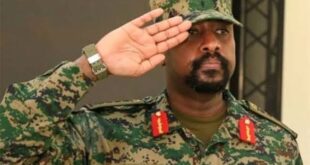
The sight of soldiers, even on television or in newspapers, now causes him to feel anxious. He admitted to the congregation that seeing a UPDF uniform gave him goose pimples, a reaction reminiscent of the fear Ugandans felt during the 1970s under Idi Amin’s regime when the State Research Bureau ruled with terror.
Bishop Jjumba’s comments were a reflection of a broader fear among many Ugandans who feel that the country is slipping into a period of authoritarianism. His remarks were a bold departure from traditional sermons, as he openly compared the fear of today’s security forces to the fear instilled by Amin’s infamous secret police. His honest confession highlighted a growing tension between the state and its citizens, a tension that only continues to grow as the country prepares for the upcoming 2026 general elections.
The Bishop’s concern wasn’t just about fear, though. He also spoke out about the state of the nation’s youth, many of whom are increasingly frustrated with the lack of opportunities and the continuous failure of the government to address their concerns. He made it clear that Uganda’s youth are tired of waiting for a better future, one that they feel has been promised but never delivered. He criticized the government for ignoring the voices of young people, emphasizing that dismissing them with contempt or coercing them into silence will only push them further away.
“The youth are the majority in this country,” Bishop Jjumba said. “They are the ones who will shape the future of Uganda, yet they are being treated as if their voices do not matter.” He warned that by failing to listen to the youth, the government risks alienating them entirely, which could lead to radicalization. According to the Bishop, the frustration of the youth is palpable, and the more they feel excluded from the nation’s resources and decision-making processes, the more their anger grows.
He explained that many young Ugandans feel they have been deprived of their rightful place in society. They see the country’s wealth and resources being controlled by a few, while they struggle to make ends meet. This, he suggested, has led to a sense of betrayal among the youth, who no longer believe that their voices can change anything. “Many young people rightly feel excluded,” Bishop Jjumba noted. “They are not part of the decision-making process, and yet they are the ones who will inherit the future of this country.”
The Bishop’s call was clear: leaders need to be humble. He stressed the importance of listening to the youth, rather than using coercive methods to control them. “Brutality is not the answer,” he said. “The leaders of this country must learn to listen to the young people. They have valid concerns, and their voices deserve to be heard.” His sermon reflected a growing sentiment that Uganda’s leaders are out of touch with the reality on the ground, especially when it comes to the needs and aspirations of the younger generation.

The tone of Bishop Jjumba’s message echoed the sentiments of other religious leaders, such as Kiyinda-Mityana Catholic Bishop Anthony Zziwa and Anglican Archbishop Stephen Kazimba Mugalu, who have also called for peace, unity, and reconciliation in the lead-up to the January 2026 elections. They have all emphasized the need for forgiveness and dialogue as the country navigates its electoral process, urging both leaders and citizens to prioritize peace over division.
While the call for unity and peace was common in these leaders’ messages, the difference in Bishop Jjumba’s address was his willingness to directly confront the uncomfortable truths about the government’s treatment of its youth. By calling out the government’s failure to engage with young people, he highlighted a deepening divide between the rulers and the ruled.
In Uganda today, the youth are not just an insignificant demographic – they are the majority. Yet, despite this, many of them feel invisible, as though their concerns and aspirations are ignored by the political elites. This sense of alienation has led to widespread frustration, and for some, a feeling of hopelessness. Bishop Jjumba’s message was not just a sermon; it was a wake-up call for Uganda’s leaders to recognize the urgency of this issue before it is too late.
Bishop Jjumba’s words struck a chord with many in the congregation, and his message was echoed by other members of the clergy who have witnessed the growing sense of disillusionment among the youth. Young people, who have been waiting for change for years, are increasingly unwilling to tolerate the status quo. The Bishop’s words are a reflection of this discontent – a discontent that could turn into something more serious if not addressed.
For many, the Bishop’s remarks serve as a reminder that Uganda is at a crossroads. The country’s leadership must decide whether to continue down the path of authoritarianism and exclusion or whether to embrace a more inclusive, democratic future where the voices of all citizens, especially the youth, are valued. If the government continues to ignore the needs of the young people, it risks further alienating them, potentially leading to unrest.
However, there is still time for change. Bishop Jjumba’s plea for humility and inclusivity is not just a call to action for political leaders, but for all Ugandans who care about the future of their country. In order to avoid further divisions, Uganda must prioritize dialogue and understanding over force and control.
As Uganda heads toward its crucial 2026 elections, it is clear that the youth will play a decisive role in determining the country’s future. Whether they choose to participate in the democratic process or reject it altogether depends on how they are treated by those in power. If their voices are heard and respected, they may choose to engage in a peaceful, productive way. But if they are ignored, the consequences could be dire.

Bishop Jjumba’s call for unity and respect for the youth is a timely and necessary reminder that Uganda cannot move forward without addressing the legitimate concerns of its younger generation. If the country’s leaders want to build a more peaceful, prosperous future, they must first listen to the people who will inherit that future – the youth of Uganda.
In the end, the Bishop’s message is one of hope, but also of urgency. Uganda is at a tipping point, and the choices made in the coming months will determine the direction the country takes. If leaders choose to engage with their people, to listen to the youth, and to act with humility, Uganda can emerge from this moment stronger and more united. But if they choose to continue down the path of division and oppression, the future may be much darker. The question remains: will Uganda’s leaders rise to the challenge, or will they continue to ignore the very people they are meant to serve?
As the country prepares for the 2026 elections, the anxiety surrounding Uganda’s political climate is palpable. The looming fear of violence and unrest, exacerbated by growing dissatisfaction among the youth, is a reality that cannot be ignored. The Bishop’s call for peace was not just a plea for an orderly election, but a warning that the stakes are higher than ever. With tensions running high and frustrations mounting, the elections could either mark a turning point for Uganda or deepen the existing divides. For many young people, this is their moment to be heard, and they will not tolerate being dismissed any longer.
The youth’s desire for change goes beyond political rhetoric; it is rooted in the everyday struggles they face. From unemployment to lack of affordable education and healthcare, the youth feel trapped in a system that offers little opportunity for advancement. Many have resorted to social media and street protests as their platforms to express dissatisfaction, yet their voices are often met with force, not understanding. The absence of a genuine effort to address these issues has only served to intensify the feeling of being marginalized.
Bishop Jjumba’s courage to speak out is a testament to the importance of moral leadership in times of crisis. Religious leaders, particularly those with the influence of a bishop, have the ability to shape public opinion and call for change in ways that politicians may not be able to. His words serve as a reminder that faith and politics are not separate entities; they are intertwined, especially in a country like Uganda, where religion plays a significant role in shaping societal values and norms. His advocacy for peace and respect for the youth carries a moral weight that could resonate with a broad audience, including those who might otherwise feel disconnected from the political process.
The government now faces a critical challenge: to either address the concerns of the youth and work towards a more inclusive society or risk a further erosion of trust and legitimacy. As Bishop Jjumba aptly pointed out, treating the youth with contempt and coercion only serves to push them further into despair and radicalization.
The country’s leaders must recognize that the time for change is now, and they must embrace the idea of listening to and engaging with the youth. Failure to do so could result in a future where the majority feels alienated, and Uganda’s social and political fabric becomes increasingly fragile. The nation is at a crossroads, and how its leaders respond will determine the future of Uganda for generations to come.