Related Articles
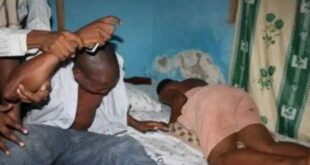


Uganda’s political environment has once again been shaken by strong statements coming from the country’s military leadership. General Muhoozi’s remarks regarding Bobi Wine and his wife, Barbie Kyagulanyi, have sparked widespread public discussion, drawing attention to the already tense relationship between the government and the opposition. His words have added another emotional layer to a situation that was already sensitive.

In his statement, the General dismissed claims that soldiers assaulted Bobi Wine’s wife during a security operation. He firmly denied that any of his forces would attack a woman, saying that women are not targets of military focus. Instead, he emphasized that their mission was centered on finding Bobi Wine, whom he described in harsh terms.
Such public statements from a senior military figure immediately become national issues because of the influence security institutions hold. When military leaders speak, citizens listen carefully, trying to understand what it means for safety, law, and the political climate. This is especially true when the statements involve well-known political figures.
Barbie Kyagulanyi is not just the spouse of an opposition leader; she is also a public figure who has often appeared alongside her husband at political and social events. Over time, she has become a recognizable personality, and any mention of her in a security matter naturally draws public sympathy and concern.
The denial of violence against her may reassure some people, but the tone of the statement has also raised debate. Words carry weight, and many citizens feel that how leaders speak during tense moments can either calm a situation or make it more heated. Public language can shape emotions just as much as actions do.
At the center of the matter remains Bobi Wine, a leading opposition figure with a strong support base, especially among young Ugandans.
His political journey from musician to lawmaker and activist has made him a symbol of change for many. Because of this, any operation linked to him becomes highly charged.

Supporters of Bobi Wine often view security actions against him with suspicion, believing they are politically motivated. On the other hand, government supporters may argue that security agencies are carrying out their duty to maintain order. These two views show how divided public opinion can be.
Whenever political tension rises, families of leaders often find themselves caught in the spotlight. Even when they are not directly involved in political activities, their names can surface in discussions, reports, and rumors. This can place emotional strain on them and increase public sensitivity.
Women, in particular, are often seen by society as needing protection from political conflict. That is why allegations involving harm to a political leader’s wife quickly trigger strong reactions. Even a denial can leave lingering questions in the public mind.
Another important issue is how such statements affect the country’s image. International observers tend to pay attention to how political disagreements are handled. Military language used in political contexts can attract outside concern, especially from groups focused on human rights and democratic practices.
Inside the country, social media plays a powerful role in shaping the narrative. Statements are shared quickly, sometimes without context, and people react emotionally. This rapid spread of information can make it difficult for calm voices to be heard.
Religious leaders and community elders often step in during such moments to call for peace. They remind citizens that political disagreements should not lead to violence or hatred. Their role becomes more important when public emotions are running high.
Legal experts also point out that all actions by security forces are expected to follow the law. Allegations and denials both highlight the need for transparency so that the public can trust official explanations. Trust in institutions is essential for national stability.

The situation also highlights the close link between politics and security in Uganda. When political matters involve the military, the stakes feel higher. Citizens begin to wonder whether political disputes are being managed through dialogue or force.
For young people, who form a large share of the population, these developments shape how they view their future. Many youths are already deeply interested in political change and leadership. Dramatic events can either increase their involvement or make them fearful.
The role of language in leadership cannot be overstated. Strong or insulting words may show determination, but they can also deepen divisions. In tense situations, careful communication can help prevent misunderstandings and calm fears.
Public reactions show a mixture of belief, doubt, anger, and concern. Some accept the denial given by the General, while others question it. This range of reactions reflects the broader political divide within the country.
Moments like this often become part of a larger story about power, opposition, and governance. They are remembered not only for what happened but also for how leaders spoke and acted. History often judges both actions and words.
Uganda has gone through political tensions before, and many citizens hope that experience will guide leaders toward restraint. Peaceful resolution of disputes is always preferred to confrontation, especially when national unity is at stake.
In the end, the situation remains a test of leadership, communication, and public trust. While political rivalry continues, most Ugandans simply hope for safety, stability, and a future where disagreements are settled without fear, threats, or harm.