Related Articles



Uganda’s military presence in Somalia has come under fresh attention following strong remarks attributed to General Muhoozi Kainerugaba regarding the future of the mission.
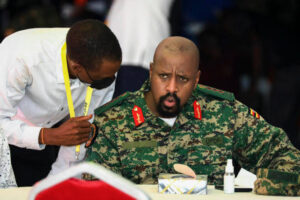
His statement has sparked debate about the role of Ugandan troops in the Horn of Africa and the challenges surrounding long-running peacekeeping operations. The message suggests that Uganda may reconsider its involvement if key issues are not addressed.
According to the remarks, the main concern raised is financing. Muhoozi indicated that unless there are serious discussions about how the mission is funded, Uganda could withdraw its soldiers from Somalia by the end of the year.
This signals a possible shift in one of Uganda’s most significant international military commitments.
Ugandan troops under the Uganda People’s Defence Forces (UPDF) have served in Somalia for many years. They have been part of regional and international efforts to stabilize the country and fight extremist groups.
The mission has often been described as important not only for Somalia’s peace but also for the security of East Africa.
However, peacekeeping missions are expensive. They require equipment, transport, medical care, and support for soldiers operating far from home. Funding usually comes from partnerships involving host nations, regional bodies, and international supporters. Delays or shortages in funding can create serious operational challenges.

Muhoozi’s remarks appear to highlight these financial pressures. He suggested that without reliable and sufficient funding, it would be difficult to sustain the mission. Military operations depend heavily on logistics, and financial uncertainty can affect morale, readiness, and effectiveness.
The possibility of a withdrawal has raised concern among security observers. Uganda has been one of the key troop-contributing countries in Somalia. A sudden reduction in forces could affect ongoing efforts to maintain stability in areas that have seen progress over the years.
At the same time, many Ugandans at home have often questioned the long duration of the deployment. Some citizens believe resources used abroad could also support needs within Uganda. This debate tends to resurface whenever there are reports about challenges facing troops overseas.
Supporters of the mission argue that fighting insecurity abroad can prevent threats from spreading to the region. They say extremist groups operating in Somalia could pose wider risks if left unchecked. In this view, Uganda’s presence contributes to regional safety.
The financial aspect remains central to the discussion. Peacekeeping missions usually operate under agreements that define who pays for what. If those agreements are not fully honored, countries contributing troops may feel burdened.
Muhoozi’s call for “serious discussions” suggests Uganda may seek new negotiations with partners. Such talks could focus on funding structures, timelines, and the future shape of the mission. Diplomatic engagement often follows strong public statements like these.
Somalia has been rebuilding after years of conflict. International forces have supported its government in improving security. Any change in troop levels from major contributors can influence the pace of that progress.
Military families in Uganda may also be watching developments closely. Deployments abroad can be long and demanding. Questions about funding and support directly affect the welfare of soldiers and their loved ones.
Regional organizations have often emphasized cooperation in addressing Somalia’s security. A withdrawal by one country can lead others to reassess their own commitments. Coordination is therefore very important.

Some analysts believe the statement could be part of broader discussions about burden-sharing. Countries providing troops often want clearer guarantees that their efforts are matched with financial and logistical backing.
The issue also highlights the complex link between politics, security, and economics. Military missions do not operate in isolation. They depend on political agreements and financial systems that must function smoothly.
For Somalia, stability remains a key goal. Progress made in recent years still requires support. Security gains can be fragile if international partnerships weaken.
Within Uganda, the conversation may continue in both political and public spaces. Decisions about foreign deployments often balance national interest, regional responsibility, and available resources.
Observers say the coming months could be important. Negotiations and diplomatic efforts may determine whether the mission continues as it is, changes form, or sees a gradual withdrawal.
Clear communication between Uganda and its partners will likely shape the outcome. Transparency on funding and planning can help avoid sudden disruptions.
In the end, Muhoozi’s remarks have brought attention back to the realities of long-term military commitments. The future of UPDF troops in Somalia may depend on how financing issues are resolved and how partners respond to Uganda’s concerns.