Related Articles
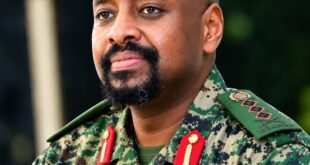

Uganda has been gripped by shock and anger following a disturbing statement allegedly attributed to Gen. Muhoozi, which has sparked widespread condemnation across the country.
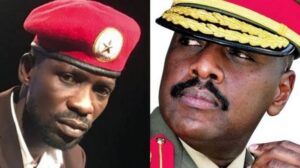
The reported remarks, which reference killings linked to supporters of the National Unity Platform (NUP), have raised serious concerns about political safety and respect for human life.
The statement, which quickly spread on social media and political discussion spaces, has left many Ugandans deeply unsettled. Citizens from different political backgrounds say such words are painful, dangerous, and unworthy of national leadership.
NUP supporters, often referred to as foot soldiers, are known for their strong loyalty to the opposition party. They include many young people who participate actively in campaigns, mobilization, and online political debate.
The alleged remarks have caused fear among these supporters and their families. Many now worry about their safety simply because of their political beliefs, something they say should never happen in a democratic society.
Human rights organizations have strongly condemned the statement, saying it promotes violence and devalues human life. They argue that no political disagreement can ever justify the loss of lives or threats against civilians.
Legal experts have also spoken out, warning that statements encouraging or joking about violence may violate the law. They stress that leaders are expected to protect citizens, not intimidate or endanger them through words.

Opposition leaders have described the remarks as cruel and unacceptable. They say such language deepens political divisions and creates an atmosphere of fear, especially among young people who are already vulnerable.
Religious leaders have joined the call for calm and responsibility. They have urged all leaders to choose words that heal the nation rather than inflame tensions or promote hatred.
Many Ugandans have taken to social media to express embarrassment, anger, and sadness. Some say the statement reflects a worrying level of political intolerance that threatens the country’s peace.
Others have called for immediate clarification or accountability from relevant authorities. They believe silence or denial without action only increases public mistrust and anxiety.
Political analysts say such remarks, whether serious or sarcastic, can have real consequences. They explain that words from powerful figures can influence behavior and attitudes on the ground.
There are also growing calls for independent investigations into any reported killings. Citizens want facts, justice, and assurance that the rule of law applies equally to everyone.
Civil society groups have emphasized that Uganda’s Constitution guarantees the right to life and freedom of political association. They insist that these rights must be respected at all times.
Some supporters of the government have argued that the statement may have been exaggerated or taken out of context. However, many still agree that any language appearing to celebrate death is unacceptable.

The controversy has once again highlighted the fragile state of political dialogue in the country. Many fear that continued hostile language could push the nation toward deeper division.
Uganda has experienced political violence in the past, and citizens say they do not want to return to dark times. They believe lessons from history should guide leaders toward peace and restraint.
Young people, in particular, feel affected by the situation. Many say they want to participate in politics without fear of being targeted or harmed.
As pressure mounts, Ugandans are watching closely to see how leaders will respond. Clear condemnation of violence and strong messages of unity are being demanded.
International observers and human rights defenders are also paying attention. They stress that protecting political freedoms is essential for Uganda’s stability and global image.
In the end, many citizens agree on one message: political competition should never involve bloodshed or threats. Uganda now stands at a critical moment where responsible leadership, respect for life, and commitment to peace are more important than ever.