Related Articles

As Uganda prepares for its highly anticipated general elections on January 15, 2026, a new government directive has sparked controversy. The Ugandan authorities have announced a sweeping ban on the live reporting of incidents such as riots, “unlawful processions,” and any forms of violent confrontations during the election period.
According to officials, this measure is designed to maintain peace and prevent panic among the public. However, many critics view this as a direct assault on media freedom and a dangerous move that could undermine the transparency of the election process.
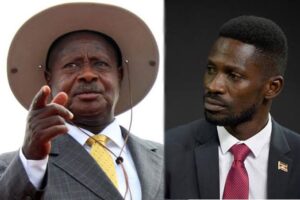
The 81-year-old incumbent president, Yoweri Kaguta Museveni, is seeking another term in office, while the 43-year-old opposition leader, Robert Kyagulanyi, better known as Bobi Wine, is determined to unseat him. This election is already proving to be one of the most contentious in Uganda’s history, with both sides fiercely campaigning for the support of the nation. The government’s decision to ban media coverage of certain incidents has come at a time when tensions between the two major political figures are running high.
According to the government, the ban is intended to prevent further escalation of violence and maintain national security. The Ugandan authorities claim that broadcasting live footage of violent events could stir panic among the population, especially given the politically charged atmosphere that currently exists. This argument, however, has done little to convince critics who argue that the government is simply seeking to control the narrative in a way that benefits the ruling party.
Opposition leaders and human rights organizations have raised concerns that this new restriction on the media is part of a broader pattern of silencing dissenting voices and curbing the press freedom in the country. Many fear that it will allow the government to manipulate public perception and avoid the accountability that comes with real-time media reporting. For them, the right to free press is essential to the democratic process, particularly during such a crucial time in the country’s political history.
Over the years, Uganda has seen a growing number of reports of human rights abuses, including violent crackdowns on opposition supporters and the media. These incidents have often been captured and broadcasted by journalists, activists, and independent media outlets. Now, the ban on live coverage could severely restrict the ability of the press to expose such abuses, making it more difficult for the international community to monitor the situation in Uganda.
The media’s role in ensuring transparency and holding public officials accountable cannot be overstated. Journalists in Uganda have faced mounting challenges, including harassment, arbitrary detention, and physical violence while covering political events. The government’s recent move is likely to exacerbate these dangers, especially during the election period, when tensions are most pronounced. With social media being one of the few remaining platforms for independent reporting, there is growing concern that authorities could extend these restrictions to online platforms as well.
For many Ugandans, the media has been a crucial tool for gaining information, particularly when it comes to holding those in power to account. With a population that has long been skeptical of the government’s actions, the press has provided a vital counterbalance. However, this new ban on reporting may further erode public trust in the media and limit the flow of vital information to the public. If the government succeeds in suppressing coverage of violence and unrest, it could create a distorted version of reality that favors the ruling party.

In the lead-up to the election, many opposition supporters have already been arrested, and there are widespread reports of intimidation and harassment of political opponents. The government’s heavy-handed approach to dissent has been a source of controversy for years. Critics argue that by imposing such a ban, Museveni is attempting to ensure that any signs of unrest or resistance are hidden from the public eye. This could give the impression that the election is proceeding smoothly, even if the reality is very different.
International observers have also expressed concern over the new restrictions, with many pointing out that such measures are inconsistent with democratic principles. The international community, particularly organizations such as the United Nations and the European Union, have long called for free and fair elections in Uganda. They argue that a media blackout on political violence would make it nearly impossible to assess the legitimacy of the election process, especially if the opposition is silenced or oppressed.
Many Ugandans have also voiced their dissatisfaction with the government’s move. On social media, people have expressed their frustrations, saying that they have a right to know what is happening in their country. They argue that the government’s decision is a clear attempt to stifle public dissent and suppress the democratic process. With both political factions entrenched in their positions, there is a palpable sense of tension and uncertainty as the election day approaches.
The ban comes amid a growing concern over electoral violence. Over the past few years, there have been numerous reports of violence during political campaigns, with both sides accusing each other of inciting unrest. In 2021, for example, Bobi Wine’s supporters were subjected to brutal crackdowns by security forces, leading to several deaths and injuries. The government’s failure to address these incidents has led many to believe that it is using its power to intimidate and suppress opposition voices.
Despite the ban on live coverage, many independent journalists are vowing to continue reporting on political violence and unrest. Several media organizations have promised to find ways to bypass the restrictions, using both traditional and digital platforms to share information with the public. However, these efforts could come at a high cost, as reporters may face arrest or violence for doing their jobs.
At the same time, the opposition has vowed to continue its campaign against what they perceive as a deeply flawed electoral system. Bobi Wine, in particular, has been vocal about the need for a more transparent and democratic process. He argues that Museveni has overstayed his welcome and that the country needs fresh leadership. But as the government tightens its grip on the media and opposition leaders, many fear that the election will be anything but free and fair.
In the face of this new media restriction, the role of international observers will be even more important. Organizations such as the European Union and the United Nations will need to be vigilant in monitoring the situation in Uganda and ensuring that the election is conducted with transparency and fairness. However, with the government seeking to control the flow of information, it is uncertain how much these observers will be able to witness or report on the ground.
This ban on media coverage also raises important questions about the future of press freedom in Uganda. If the government is allowed to continue imposing such restrictions, it could set a dangerous precedent for other countries in the region. The free flow of information is a cornerstone of democracy, and any attempt to curtail it must be met with strong resistance from both the media and civil society.
As Uganda’s general elections draw nearer, the world is watching closely. The outcome of this election will have significant implications not only for Uganda but for the broader African continent. With Museveni seeking a sixth term and Bobi Wine challenging his rule, the stakes couldn’t be higher.
But with the government’s recent move to ban live media coverage of violence and riots, the integrity of the election remains in question. The question now is whether Ugandans will be able to vote freely and fairly, or whether their right to know the truth will be silenced.
In conclusion, the Ugandan government’s decision to ban live coverage of violent incidents during the election period is a highly controversial one. While officials claim the ban is intended to prevent panic and maintain peace, many see it as an attempt to suppress media freedom and hide the true extent of political violence in the country.

As the election approaches, it remains to be seen how this measure will affect the press, the opposition, and the overall integrity of the democratic process in Uganda. For now, all eyes are on Uganda as it heads toward what could be its most contested election in years.
As the election approaches, the role of civil society organizations becomes even more critical. Many groups in Uganda are working to ensure that voters are well-informed and that their voices are heard, despite the media blackout. These organizations are striving to protect fundamental rights and uphold the integrity of the electoral process.
However, their efforts are being met with increasing obstacles, as security forces have been instructed to crack down on protests and gatherings. This climate of fear has left many wondering whether the election will be a true reflection of the people’s will or just a formality orchestrated by the ruling government.
Moreover, the impact of the media ban on international relations cannot be overlooked. Uganda’s reputation as a stable democracy has long been questioned, particularly in recent years as opposition figures have faced violent repression. The new media restrictions have drawn criticism from both regional and global actors who view the move as a step backward for democracy.
If Museveni’s government continues on this path, it risks further isolating Uganda from the international community and tarnishing its image as a leader in East Africa. For many, the outcome of this election will shape Uganda’s future political trajectory and its standing on the world stage.
In the face of such restrictions, the Ugandan population remains divided. While some see Museveni as a leader who has brought stability and development to the country over the past three decades, others argue that his prolonged rule has stifled progress and curtailed freedoms.
The opposition, led by Bobi Wine, presents a vision of a more open and democratic Uganda, where the rule of law and respect for human rights are prioritized. As both sides prepare for the upcoming election, the question of which path Uganda will take remains uncertain, and the media blackout only adds to the complexity of the situation.