Related Articles
Political commentator Frank Gashumba has sparked fresh national debate after making strong claims about school ownership and education policy in Uganda.
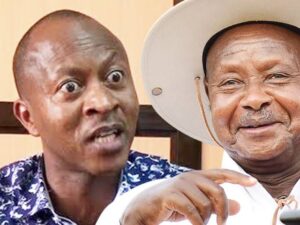
His remarks have touched a sensitive nerve in a country where access to quality education remains a major struggle for many families.
According to Gashumba, about 70 percent of schools in Uganda are owned by top government officials or people closely connected to those in power.
He argues that this reality makes it almost impossible for the government to introduce policies aimed at lowering school fees.
Gashumba says the issue is not just about education, but about conflict of interest. In his view, leaders who own schools benefit directly from high fees, so they have no motivation to reduce the cost of education for ordinary Ugandans.
He explains that when school fees are discussed at policy level, the same people expected to protect citizens are the ones earning from expensive private schools. This, he says, blocks any serious reform.
The outspoken analyst further claims that corruption plays a big role in this cycle. He alleges that some officials steal public money and later invest it in private schools.

According to Gashumba, these schools are then used as business ventures rather than centers of learning. High fees are charged to parents, many of whom are struggling to survive.
He describes the situation as painful and unfair. The same poor citizens whose money was allegedly stolen are forced to pay high fees to educate their children in these schools.
Gashumba also criticizes the double standards among the elite. He says that after making money from Ugandan parents, these officials send their own children abroad to study in expensive and prestigious schools.
In his view, this shows a lack of confidence in the very education system they profit from at home. While local children struggle in overcrowded classrooms, leaders’ children enjoy world-class facilities overseas.
He adds that when these children return from abroad, they are quickly absorbed into high-paying jobs. Meanwhile, children from poor families remain trapped in low-income work.
Gashumba paints a picture of deep inequality. He says many children of poor parents end up riding boda bodas or doing casual labor despite completing school.
This, he argues, is not because they are lazy or less intelligent, but because the system is designed to favor a small privileged group.
The activist also points out that education standards continue to decline. He links this to commercialization, where profit matters more than quality teaching and learning.
He believes that without affordable education, many talented children will never reach their full potential. This, he warns, is dangerous for the future of the country.
Gashumba says government statements about free or affordable education often do not match reality on the ground. Parents still pay many hidden costs even in public schools.
He notes that uniforms, meals, development fees, and exams make education expensive, even where tuition is said to be free.
In his blunt assessment, Gashumba says Uganda needs more than 200 years to see real change if things continue the same way. This statement reflects his deep frustration with the pace of reform.

He argues that meaningful change requires leaders who do not benefit personally from public suffering. Without that, policies will remain words on paper.
Gashumba’s comments have sparked strong reactions online. Some Ugandans agree with him, saying his words reflect their daily struggles.
Others argue that his claims need proof and caution against painting all government officials with the same brush. Still, the debate continues to grow.
Education experts say the conversation raised by Gashumba is important. They argue that access, affordability, and quality must be addressed together.
They also warn that a nation that neglects education risks long-term poverty and instability.
As Uganda continues to discuss education reform, Gashumba’s remarks have forced many to ask hard questions. Who really benefits from the current system, and who is being left behind?
Whether one agrees with him or not, his statements have reopened a critical national conversation about fairness, leadership, and the future of Uganda’s children.