Related Articles



Uganda’s digital space has taken a dramatic turn following the announcement that all social media platforms are being released. The statement brought relief to many citizens who depend on online platforms for communication, business, education, and news. After a period of restriction, the reopening signals a return to normal digital activity across the country.
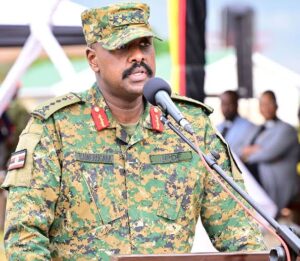
The message expressed gratitude to Ugandans for their patience and cooperation during the electoral season. Elections are often sensitive times, and authorities usually argue that restrictions are meant to protect national security and public order. Still, the limitations had affected daily life for millions.
For many young people, social media is more than entertainment. It is a space for expression, connection, and opportunity. The restoration means students, content creators, and online workers can once again access their audiences and continue their activities without barriers.
Small business owners are also among those celebrating. Many entrepreneurs rely on platforms like Facebook, WhatsApp, Instagram, and X to market products and talk to customers. The shutdown had slowed sales and communication, so the reopening brings economic relief.
The announcement carried a positive tone, praising citizens and acknowledging their resilience. Words of appreciation from leadership can help ease tension after a difficult period. People often want to feel recognized for their patience during national challenges.
During election periods, online spaces can become highly active, with political debates, campaign messages, and citizen journalism filling timelines.
Authorities sometimes fear that misinformation or inciting messages can spread quickly. However, restrictions also limit the free flow of information.

With social media back, Ugandans can reconnect with family and friends, especially those abroad. For many families separated by distance, online platforms are the easiest and cheapest way to stay in touch. The reopening restores these important personal connections.
Journalists and media houses also benefit from the move. Social media has become a key tool for sharing breaking news, live updates, and public statements. Without it, information flow slows down, and audiences miss timely updates.
At the same time, the reopening comes with responsibility. Leaders often remind citizens to use online platforms wisely, avoiding hate speech, violence, or false information. Digital freedom works best when users act responsibly.
Civil society groups see the restoration as a step toward normalcy. Many organizations use social media to run campaigns, educate the public, and mobilize communities. Their work becomes easier when digital access is open.
The tone of gratitude in the statement suggests a desire to close the election period on a calm note. After weeks of tension, reassurance and appreciation can help lower emotions and encourage unity.
For students, especially those involved in online learning or research, restored access is a big relief. Education today is deeply connected to the internet, and any disruption can affect performance and opportunities.
The reopening also allows artists, musicians, and influencers to return to their audiences. Uganda has a vibrant creative community that depends on digital platforms to share work and earn income. The move reopens those channels.

Beyond economics and communication, social media is also a space where citizens share experiences and opinions. Its return means people can once again participate fully in national conversations.
Some citizens may still reflect on the period of restriction and what it meant for digital rights. The balance between security and freedom is a discussion that continues in many countries, not only Uganda.
International observers often watch how governments manage internet access during elections. Restoring platforms can be seen as a sign of returning to routine operations after a sensitive time.
The message praising Ugandans as “the greatest people on earth” aims to inspire national pride. Such language seeks to build a sense of unity and shared purpose after a challenging season.
Now that platforms are open, attention may shift to rebuilding normal digital life. Businesses will reconnect with clients, families will catch up, and public discussions will resume at full speed.
The reopening also gives authorities a chance to show confidence in citizens’ ability to engage peacefully online. Trust between leaders and the public is strengthened when communication channels remain open.
In the end, the release of social media marks the close of one chapter and the beginning of another. As Uganda moves forward from the election season, many hope that open communication, mutual respect, and responsible online behavior will guide the nation into a more stable and connected future.