Related Articles



Uganda Prisons Service has strongly dismissed claims that female inmates are becoming pregnant while serving time in jail, describing the allegations as false and impossible under the current prison system. The issue came to light during a parliamentary session and quickly attracted public attention.
The prison authorities addressed the matter during a meeting with Parliament’s Defence and Internal Affairs Committee. The session had been organized mainly to review budget estimates for the 2026/27 financial year, but the discussion shifted to the welfare of women and children in custody.
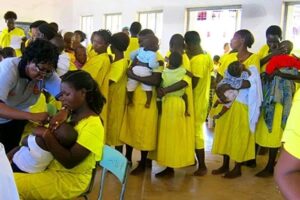
Concerns were raised after a report revealed that more than 260 women in prisons across the country are either on remand or serving sentences while staying with their young children. This number surprised several lawmakers and triggered deeper questioning.
Wilson Kajwengye, the Chairperson of the Committee and Member of Parliament for Nyabushozi, led the inquiry. He asked officials to clearly explain whether the women enter prison already pregnant or if pregnancies are happening while they are behind bars.
He expressed worry about the growing number of infants in correctional facilities, asking how the country could continue recording so many babies in prisons. His question reflected public concern about conditions and monitoring systems in such institutions.
In response, Deputy Commissioner General of Prisons Samuel Akena firmly rejected the suggestion that conception could take place inside prison facilities. He described the idea as biologically and structurally impossible given how the system is organized.
According to Akena, Uganda’s prisons follow strict separation procedures that keep male and female inmates in completely different areas. He emphasized that there is no interaction that could lead to such situations.

He further explained that every female inmate goes through thorough screening before being admitted. This process includes mandatory medical checks and pregnancy tests to determine their health status at entry.
The official noted that many women are brought in during the early stages of pregnancy, sometimes before they even realize they are expecting. As a result, they later give birth while already in custody.
Akena stressed that once a woman is admitted while pregnant, it is natural that she will deliver her baby in prison. He said this should clear the misunderstanding that pregnancies are occurring within the prison environment.
The discussion also touched on the living conditions of the children who stay with their mothers. Prison authorities said special baby centres have been set up to provide care and support for these infants.
According to the prisons service, these baby centres offer organized care, including nutrition and medical attention. Officials even claimed that, in some cases, conditions inside may be more stable than what some children might experience outside.
Policy regarding how long children can stay with their incarcerated mothers has also changed. While the law previously allowed a maximum of 18 months, the current policy extends that period to 24 months.

This extension aims to support the emotional bond between mother and child during the early years. Authorities believe keeping them together for a longer period can help the child’s development.
However, once a child reaches the age limit, alternative arrangements must be made. The prisons service said it works with relatives where possible to ensure the child has a home outside.
In cases where family members are unwilling or unable to take responsibility, the authorities partner with non-governmental organizations. These groups help place the children in safe and supportive environments.
The clarification from Uganda Prisons Service appears aimed at calming public fears and correcting what officials see as misinformation. They insist that systems are in place to prevent abuse and maintain order.
Still, the issue has sparked wider conversations about the conditions of women in custody and the welfare of children growing up in such environments. Lawmakers are likely to continue monitoring the situation.
Human rights observers often point out that children in prison settings are innocent and deserve special protection. This makes transparency and proper care extremely important.
As the debate continues, the prisons service maintains that its procedures are strict and professional. Officials say they remain committed to safeguarding both inmates and the children who temporarily stay within correctional facilities.