Related Articles


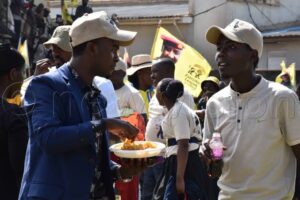
President Yoweri Museveni has made a bold decision to stop serving food and drinks at all his presidential campaign rallies. This move, confirmed by top officials in the National Resistance Movement (NRM), marks a significant change in how the party engages with its supporters during the 2025 election season.
NRM sources revealed that the decision was largely influenced by careful scrutiny of the campaign budget. Museveni reportedly noted that the cost of providing meals and drinks to large crowds had exceeded what was originally planned, prompting him to scale back these expenditures.
The President is said to have considered both financial and political factors in making this decision. According to insiders, Museveni wanted to ensure that his rallies are focused on his message rather than the perks offered to supporters.
One of the main reasons cited for the ban is the concern over propaganda from opposition parties, particularly the National Unity Platform (NUP). Museveni reportedly believes that NUP supporters use social media to spread claims that attendees come to his rallies solely for food and drinks, rather than to hear his political message.
By eliminating food and drinks, Museveni aims to shift the attention back to his campaign theme of “Protecting the Gains,” emphasizing the achievements of his government and his plans for Uganda’s future. He wants rallies to be about ideas, policies, and voter engagement, not entertainment or meals.
Some NRM officials, however, are reportedly unhappy with this decision. They include party leaders responsible for organizing food, drinks, and entertainment at rallies. These officials feel sidelined as the budget for these items is now significantly reduced or eliminated.
Balaam Barugahare, the Minister for Youth and Children Affairs, is among those reportedly displeased. Sources indicate that he and others had previously managed the logistics and allocation of funds for food and entertainment, a key part of rally planning in Uganda.
Despite the internal resistance, Museveni appears firm in his decision. He is determined to avoid any criticism that his rallies rely on material incentives rather than political engagement, which he believes could damage the party’s image.
The decision to stop serving meals may also have financial advantages. Campaigns in Uganda often involve huge expenses, and feeding large crowds can consume a substantial portion of the budget. Museveni’s move could allow the party to redirect funds to other campaign activities, such as logistics, media, and outreach programs.

Political analysts suggest that the ban reflects a strategic approach to campaigning. By removing food and drinks, Museveni aims to attract attendees who are genuinely interested in his message, rather than those attending for free meals.
NRM insiders have also indicated that the President wants to maintain discipline and order at rallies. Serving meals often increases crowd management challenges, with long queues and potential chaos. By stopping food distribution, rallies may become more focused and organized.
Museveni’s opponents are expected to comment on this development. Social media users and NUP supporters have historically criticized NRM rallies for allegedly using food and gifts to attract crowds. By removing meals, Museveni preempts this narrative and attempts to neutralize criticism.
The decision is also seen as part of a larger campaign philosophy. Museveni has consistently emphasized hard work, self-reliance, and fiscal responsibility. By cutting unnecessary expenses, he demonstrates that his campaign prioritizes policy over perks, sending a message of seriousness to voters.
Some grassroots NRM supporters may initially be disappointed by the absence of food at rallies. In past elections, meals and drinks were considered incentives for attendance, especially for long journeys to rally venues. How supporters respond remains to be seen.

Despite potential disappointment, officials believe the overall impact will be positive. Supporters who attend for genuine political engagement will become more involved in party discussions and less focused on material benefits, potentially increasing the quality of political dialogue.
Observers note that this is not the first time Museveni has demonstrated strict control over campaign finances. In previous elections, he has often intervened to reduce excess spending, preferring campaigns to reflect discipline and ideological clarity rather than extravagance.
The ban also has implications for local organizers. Those who previously managed food and entertainment budgets will need to adjust to the new system, focusing on logistics, mobilization, and voter outreach without relying on material incentives.
Some analysts argue that the move may signal a broader shift in Ugandan political campaigning. If successful, it could inspire other parties to focus more on ideas and policy messaging rather than giveaways or entertainment at rallies.
Museveni’s supporters, meanwhile, are encouraged to see this as a demonstration of his commitment to responsible leadership. By controlling campaign costs and focusing on message-driven engagement, the President hopes to set an example for political conduct in Uganda.
In conclusion, the ban on food and drinks at Museveni’s rallies represents a significant adjustment in NRM’s campaign strategy. While some party officials may be frustrated, the decision reflects a calculated effort to focus attention on policy, reduce expenses, and prevent opposition propaganda.
As Uganda heads further into the election season, this change in campaign dynamics is expected to shape how rallies are organized, how supporters engage, and how political narratives are formed, potentially altering the way campaigns are conducted in the country.