Related Articles
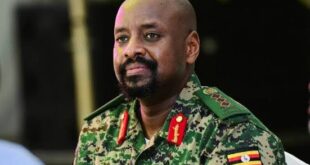
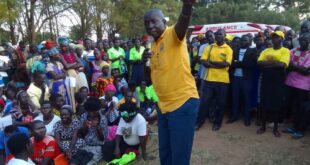
A fresh wave of political debate has swept across Uganda after a statement attributed to Gen. Muhoozi Kainerugaba began circulating widely. In the statement, he reportedly said, “As far as I’m concerned we captured the man, ‘Barbie’, a week ago, the person on the run is the wife, ‘Bobi Wine.’” The words quickly caught public attention and triggered strong reactions from different groups.

Many Ugandans first saw the message on social media, where political comments often spread very fast. Within hours, screenshots and discussions were everywhere. Some people treated it as a joke, while others saw it as a serious political message with deeper meaning.
The statement appears to reverse the identities of Bobi Wine and his wife Barbie Kyagulanyi in a sarcastic way. Bobi Wine, whose real name is Robert Kyagulanyi, is a well-known opposition leader and former presidential candidate. His wife, Barbie Kyagulanyi, is also a public figure, especially known for her activism and support for social causes.
Supporters of the opposition quickly criticized the remark, saying it was disrespectful and meant to belittle their leaders.
They argued that political differences should not turn into personal attacks. According to them, such comments lower the level of political conversation in the country.
On the other hand, some supporters of the general dismissed the backlash. They described the statement as political banter, saying strong words are common in politics. They believe people should not take every comment too seriously, especially when made in a sarcastic tone.
Political analysts say the situation shows how tense the political environment remains. Uganda has experienced strong competition between the ruling side and opposition groups in recent years. Because of this, even a short sentence can create major national discussion.

Observers also point out that social media has changed the way political messages spread. In the past, statements from leaders were mainly shared through official speeches or traditional media. Today, a single post can reach millions within minutes.
For many young people, the issue became a trending topic online. Memes, jokes, and debates filled platforms as users shared their views. Some focused on humor, while others discussed the serious side of political respect and leadership behavior.
Human rights activists expressed concern about the language used by public figures. They believe leaders should be careful with their words because their statements can influence public attitudes. According to them, harsh language can increase division instead of unity.
At the same time, some citizens said they are tired of constant political drama. They argue that leaders should focus more on solving real issues like jobs, healthcare, and education. For them, such statements are distractions from important national matters.
Bobi Wine’s supporters described the comment as another example of political pressure and intimidation. They say opposition figures often face verbal attacks meant to weaken their image. They believe this is part of a wider political struggle.
Meanwhile, others see it as part of the rough nature of politics. They say political leaders everywhere exchange sharp words, especially during tense times. However, they agree that respect should still be maintained.
The role of Barbie Kyagulanyi also came into focus. Over the years, she has become a strong voice on social issues, including women’s rights and community welfare. Because of this, she is not just seen as a politician’s wife but as a leader in her own way.
Some people believe mentioning her name in such a context shows how families of politicians are often drawn into political battles. This can increase pressure on them, even when they are not directly involved in political contests.
Communication experts say public figures must understand that their words carry weight. A statement that sounds like a joke to some may sound serious and offensive to others. This difference in interpretation often causes controversy.

The incident also highlights the power struggle in Uganda’s political space. Strong personalities, emotional supporters, and deep political divisions make every comment sensitive. In such an environment, language becomes very powerful.
Religious and community leaders have often called for calm and respectful dialogue in politics. They urge leaders on all sides to set good examples. They believe peaceful language can help reduce tension among citizens.
As discussions continue, many Ugandans are watching closely to see what happens next. Whether the matter fades away or leads to more exchanges remains to be seen. What is clear is that the statement has already left a strong mark on public conversation.
In the end, the situation shows how words from influential people can shape national debate. A single remark can open conversations about respect, leadership, and political maturity. For many citizens, it is a reminder that in politics, every word matters.
This episode also reminds the public of the importance of critical thinking when reading political statements online. Not every strong or dramatic message should be accepted at face value.
Citizens are learning to question context, intention, and possible exaggeration before forming opinions. In a time when information moves very fast, staying calm and informed helps society avoid unnecessary conflict and misunderstanding.